

A business website can look polished and still fail at the job. If visitors cannot quickly understand what you sell, why they should trust you, and what to do next, design alone will not produce revenue. Website development is the work of turning your website into a functioning business asset: one that supports discovery, leads, sales, customer service, and everyday operations.
For a service business, that may mean a faster path from a search result to a booked consultation. For an e-commerce store, it may mean cleaner product data, easier checkout, and category pages that rank. For a growing operator, it can mean replacing repetitive manual tasks with systems that connect forms, inventory, customer data, and internal workflows.
The right build is not the biggest build. It is the one that removes the current constraint on growth without creating an expensive mess six months later.
Table of Contents
Website Development Starts With the Business Model
Before choosing a platform, theme, or feature set, define what the website needs to accomplish commercially. Too many projects begin with visual references and end with a site that has no clear conversion path.
Start by identifying the primary action that matters most. It could be requesting a quote, scheduling a call, purchasing a product, submitting an application, or starting a conversation with sales. A website can support several actions, but it should make the priority obvious.
Then consider how customers actually make decisions. A local contractor may need service pages, project proof, reviews, coverage areas, and a quote form. A B2B software company may need comparison pages, use cases, case studies, and a demo request flow. An online retailer needs product pages that answer objections before the shopper reaches checkout.
This is where development and strategy meet. A developer can build nearly any feature, but the business should not pay for features that do not move a buyer closer to action. A custom client portal may make sense for a company managing recurring accounts. It is unnecessary for a business that first needs clear service pages and reliable lead tracking.
What Commercial Website Development Needs
Good website development brings several layers together: user experience, technical performance, search visibility, conversion design, security, and operational fit. Ignoring one layer creates problems that tend to show up later as weak rankings, abandoned carts, poor lead quality, or slow internal processes.
Clear structure before visual polish
Visitors should be able to answer three questions within seconds: What does this business offer? Who is it for? What should I do next?
A clear navigation structure helps search engines understand the site and helps customers find the right page. Core services, products, industries, locations, resources, and contact options should be organized around how people search and buy, not around internal company departments.
Visual design matters because it establishes credibility. But an attractive homepage cannot compensate for vague messaging, buried calls to action, or a confusing page structure. Build the page hierarchy and conversion journey first, then apply the visual system.
Speed, mobile usability, and technical foundations
A slow site costs attention. Mobile visitors will not wait for oversized images, unnecessary scripts, or a poorly configured page builder to load. Speed also affects search performance and paid traffic efficiency, especially when a business invests in campaigns that send users directly to landing pages.
Technical choices should reflect the site’s real requirements. A simple content-led site may perform well on a carefully configured content management system. A high-volume store or application may require more specialized architecture, better hosting, caching, database planning, and custom integrations.
There is a trade-off here. Low-code platforms can launch quickly and allow nontechnical teams to edit pages. Custom development offers greater control when workflows become complex. Neither option is automatically better. The right decision depends on the volume of content, products, transactions, integrations, and internal resources involved.
Search visibility built into the build
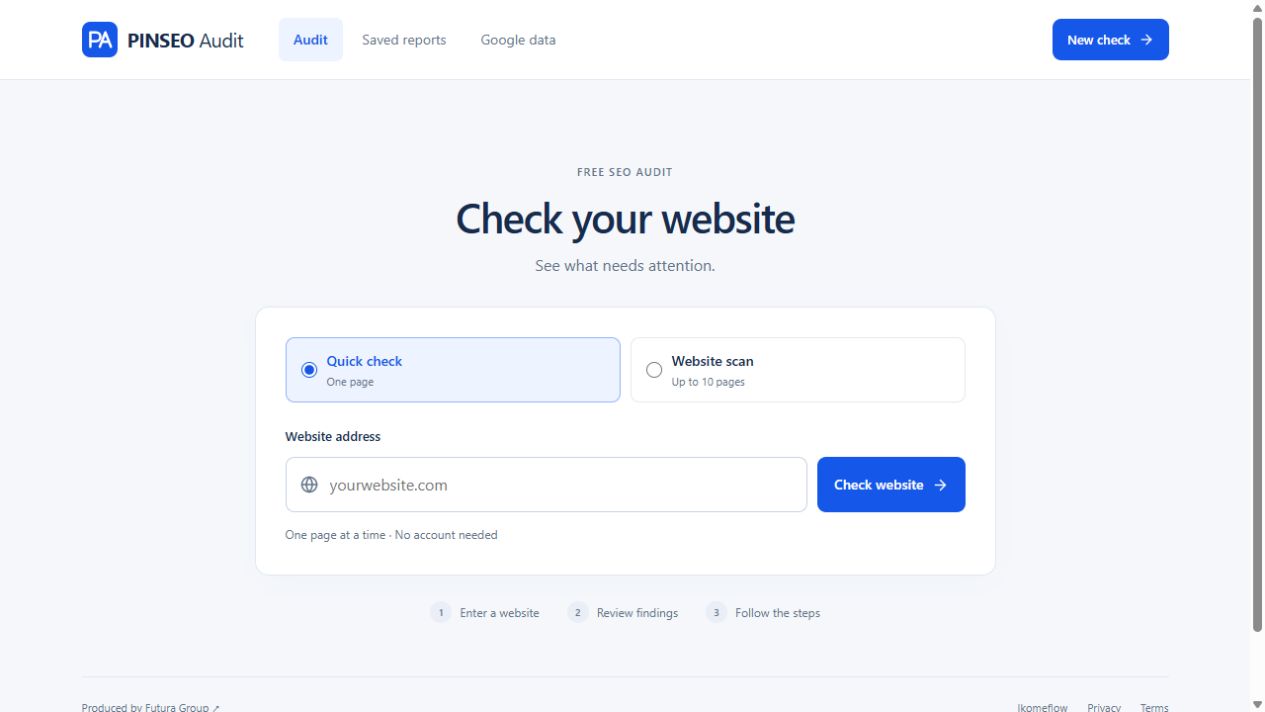
SEO should not be a cleanup task after launch. Site architecture, URL structure, internal linking, page templates, metadata controls, schema support, and performance all affect how easily a site can be discovered.
A site also needs content that matches commercial intent. A page targeting a service should explain the service, the customer problem, the process, proof of capability, and the next step. A product category should help a shopper compare options instead of acting as a thin list of items.
AI-powered search experiences are raising the standard further. Businesses benefit when their websites provide clear, factual, well-organized answers that systems can interpret and cite. That does not mean writing for machines instead of people. It means removing ambiguity and publishing information that demonstrates real subject knowledge.
Website Development Priorities for Revenue Pages
Not every page deserves equal effort during the first phase. The highest-value pages are usually the ones closest to purchase: core service pages, category pages, product pages, lead-generation landing pages, pricing or quote pages, and checkout flows.
These pages should do more than describe an offer. They should reduce hesitation. Explain who the offer is for, what is included, what makes the business credible, what the customer can expect next, and how to take action. Where appropriate, include specifications, turnaround times, service areas, frequently asked questions, reviews, case examples, or clear pricing guidance.
For e-commerce operators, product data is a development issue as much as a merchandising issue. Variant options, inventory status, shipping information, returns, filters, related products, reviews, and image quality all influence conversion. If these elements are difficult to manage in the admin area, the store will become harder to operate as the catalog grows.
For service businesses, form design deserves the same attention. Ask only for information needed to qualify and route the lead. A long form may improve lead detail, but it can reduce submissions. A short form can increase volume but create more follow-up work. Test based on your sales process rather than copying a generic template.
Integrations Should Remove Work, Not Add Complexity
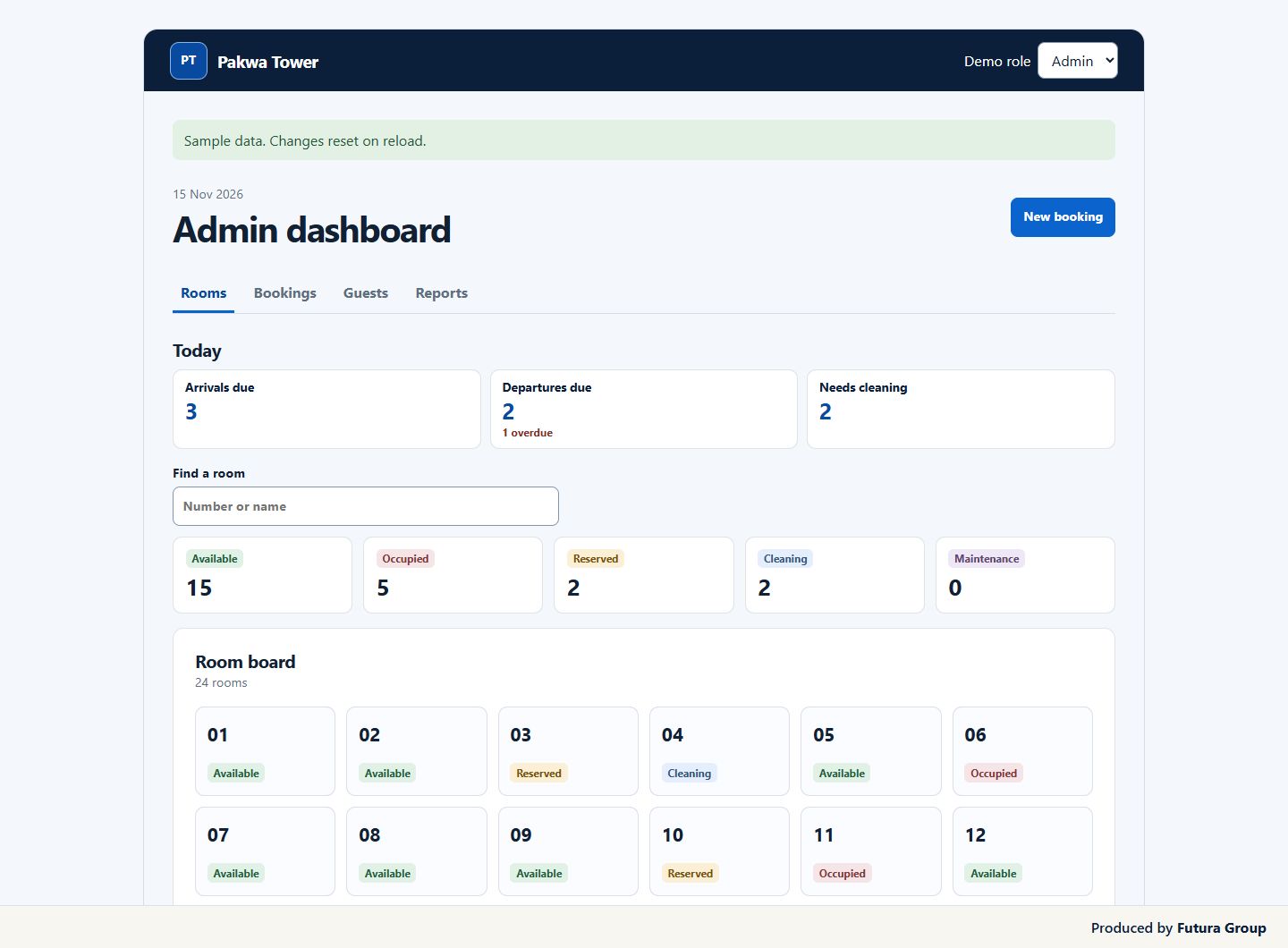
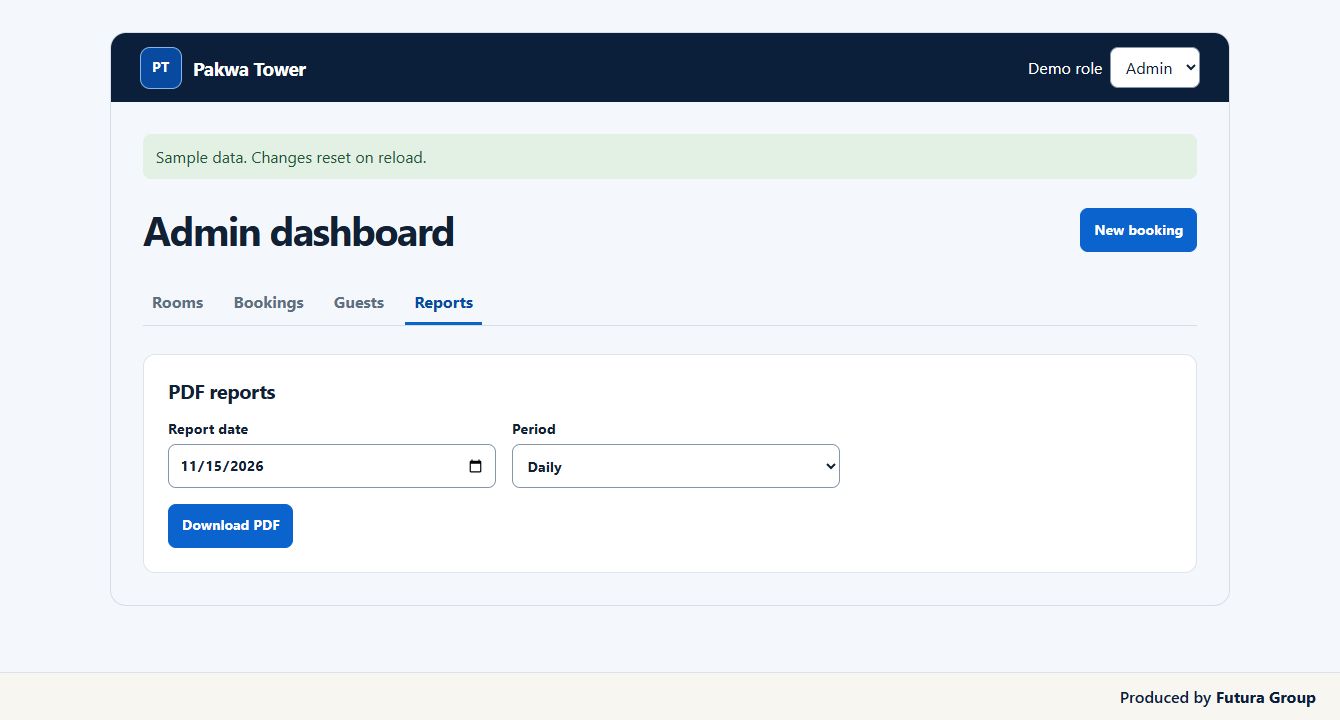
The best website is connected to the way the business operates. A lead form that sends an email to a shared inbox may be enough for a small team. As volume increases, that lead may need to enter a CRM, trigger an acknowledgement, assign an owner, create a task, and notify the right team member.
The same principle applies to e-commerce. Order data may need to reach fulfillment tools, accounting software, email marketing systems, customer support platforms, or inventory workflows. Automation can save significant time, but only when the underlying process is clear.
Do not automate a broken workflow. First document what happens today, where delays occur, which data is required, and who owns each step. Then build the integration with error handling and a manual fallback. An automation that silently fails can create a larger problem than a manual process.
Tools such as n8n can be useful when a business needs flexible workflows between systems, but the value is not the tool itself. The value is fewer missed leads, fewer duplicate entries, faster customer communication, and more reliable operations.
How to Measure Website Development After Launch
Website development continues after launch through measurement and iteration. Track the actions that matter: qualified form submissions, booked calls, completed purchases, revenue by channel, checkout abandonment, page engagement, and search visibility for commercial pages.
Avoid judging performance by traffic alone. A page that attracts thousands of visitors with no buying intent may look successful in a dashboard while producing little business value. In contrast, a lower-traffic service page that consistently creates qualified leads may be one of the site’s strongest assets.
Review user behavior alongside business feedback. If prospects repeatedly ask questions that the site does not answer, improve the relevant page. If sales teams receive incomplete inquiries, adjust form fields or pre-qualifying content. If customers abandon a product page, inspect delivery information, pricing clarity, image quality, trust signals, and mobile usability before assuming the problem is demand.
When Website Development Needs a Rebuild
A full rebuild is justified when the current website cannot support the business model, cannot be maintained efficiently, performs poorly at a technical level, or has structural limitations that prevent SEO, e-commerce, or integrations from working properly.
But rebuilding is not always the best first move. If the platform is stable and the main problem is unclear messaging, weak content, poor calls to action, or missing conversion tracking, targeted improvements can produce faster results at a lower cost.
A practical development partner should be willing to make that distinction. At Futura Group, the objective is not to sell unnecessary complexity. It is to build the pages, systems, and workflows that help a business acquire customers and operate with less friction.
Treat your website as part of your sales and operations infrastructure. Start with the customer action that matters most, build around it with clear content and dependable technology, then improve from real data. That approach creates a site that earns its place in the business instead of simply occupying a domain.
5 essential steps for a higher-quality lead
- Choose a website development goal your team can measure, such as qualified consultation requests.
- Write down what a visitor must know before acting and put those answers on the appropriate service page.
- Test the enquiry or purchase path on a phone with a sample customer journey.
- Record launch performance and confirm the key forms and links work before sending traffic.
- Review lead quality after launch and let those findings guide the next website development update.
For mobile website development, use Google’s guide to optimizing Largest Contentful Paint to identify what slows the primary content. If you need help designing the buyer journey and building the site, see Futura Group’s website development services.