

A website that looks polished but fails to generate inquiries, orders, or trust is an expensive digital brochure. Effective website development starts with a commercial question: what should this site help the business achieve? For a service company, that may mean qualified consultation requests. For an e-commerce operator, it may mean more completed purchases and fewer abandoned carts. The right answer shapes every decision that follows.
In this guide
Start Website Development With Business Goals
Before choosing a layout, theme, or technology stack, define the job of the website. A local service business may need location pages, clear proof of experience, and a fast path to booking. A growing online store may need better product filtering, dependable payment options, inventory connections, and product pages built to answer shopper questions.
This is where website development projects often go wrong. Teams begin with colors and homepage concepts before agreeing on conversion goals, priority audiences, or the actions visitors should take. The result can be attractive, but difficult to measure and even harder to improve.
A website development brief should clarify the primary offer, the ideal customer, the key conversion action, and the information a buyer needs before committing. It should also account for operational realities. If leads require manual follow-up, the website may need CRM integration or automated notifications. If your products change frequently, your team needs a manageable way to update inventory and content without calling a developer for every small edit.
Build for Search, AI Discovery, and Conversion
Website development and search visibility should work together from the beginning. Search engines and AI-powered discovery tools need clear signals about what your business does, who it serves, and why your pages are credible. Adding SEO after launch is possible, but it usually costs more than building the right structure from day one.
That does not mean stuffing pages with keywords. It means creating logical navigation, useful service or category pages, clear page titles, descriptive headings, and content that answers real customer questions. Technical foundations matter too: fast loading pages, mobile usability, clean internal structure, secure forms, and accessible design all affect how people and platforms experience the site.
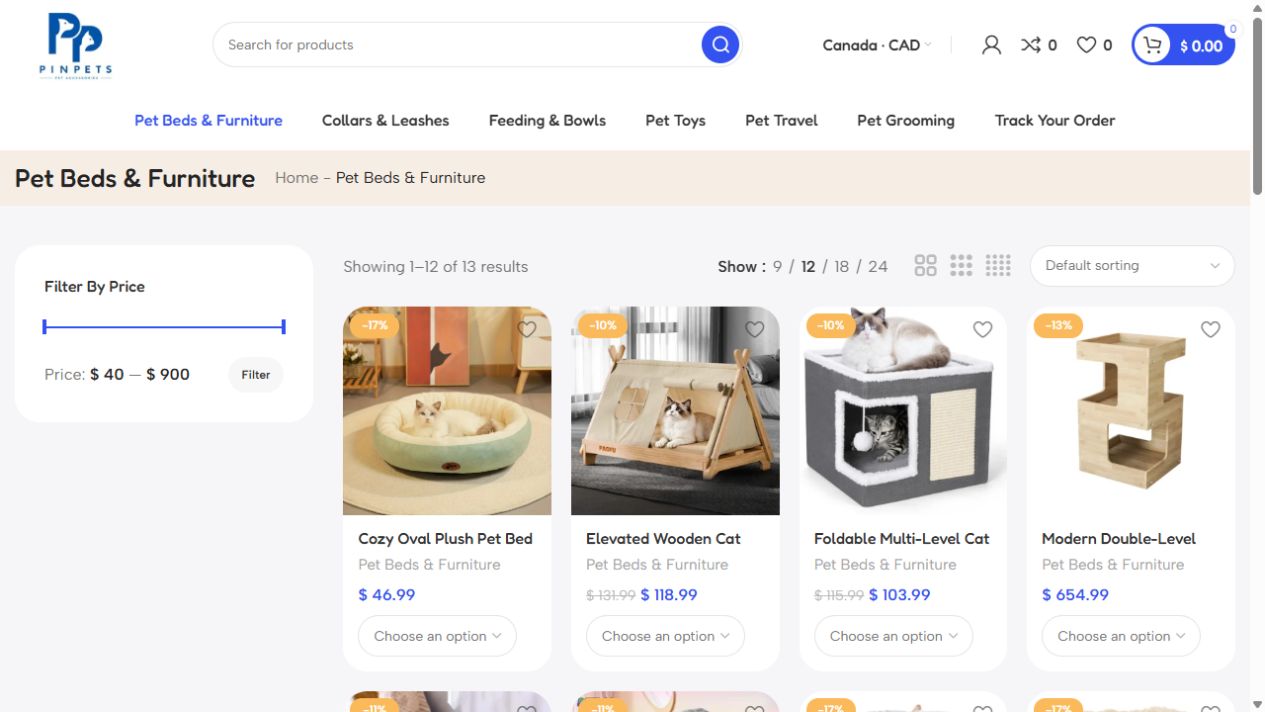
Conversion needs equal attention. Visitors should not have to hunt for prices, service areas, delivery details, contact options, or next steps. Strong calls to action belong where decisions are made, not only at the bottom of a page. A product page, for example, should reduce uncertainty with practical descriptions, clear images, shipping information, reviews where available, and a straightforward checkout path.
Compare website development platforms and maintenance costs
There is no single best platform for every business. A straightforward marketing site may be well served by a proven content management system. An e-commerce business may need a platform with strong product, payment, shipping, and promotional features. A company with a unique workflow may benefit from a custom web application.
The trade-off is usually between flexibility, cost, and maintenance. Custom development can match a specialized process closely, but it requires a larger budget and a dependable plan for future support. Off-the-shelf tools launch faster and cost less upfront, but may require workarounds as your business grows.
Avoid choosing technology based on trend alone. Choose it based on what your staff needs to manage, what customers expect to do, and which systems must connect. If a website cannot share data with your booking tool, inventory system, email platform, or payment process, it can create more work instead of reducing it.
Plan the Launch Beyond the Launch Date
A site is not finished when it goes live. Launch should include analytics setup, form testing, mobile checks, redirects for replaced pages, backup procedures, and a process for monitoring errors. These details protect traffic, lead flow, and revenue during a transition.
After launch, use real behavior to guide improvement. Review which pages bring qualified visitors, where users leave, what search terms create visibility, and which forms or product pages convert. Small, informed changes often outperform a complete redesign driven by assumptions.
Futura Group approaches digital work with this operational mindset: the website should support visibility, sales, and the everyday systems behind growth. Treat your next build as a business asset, not a design exercise, and give it a clear job to do from the first planning session.
How to compare website development proposals
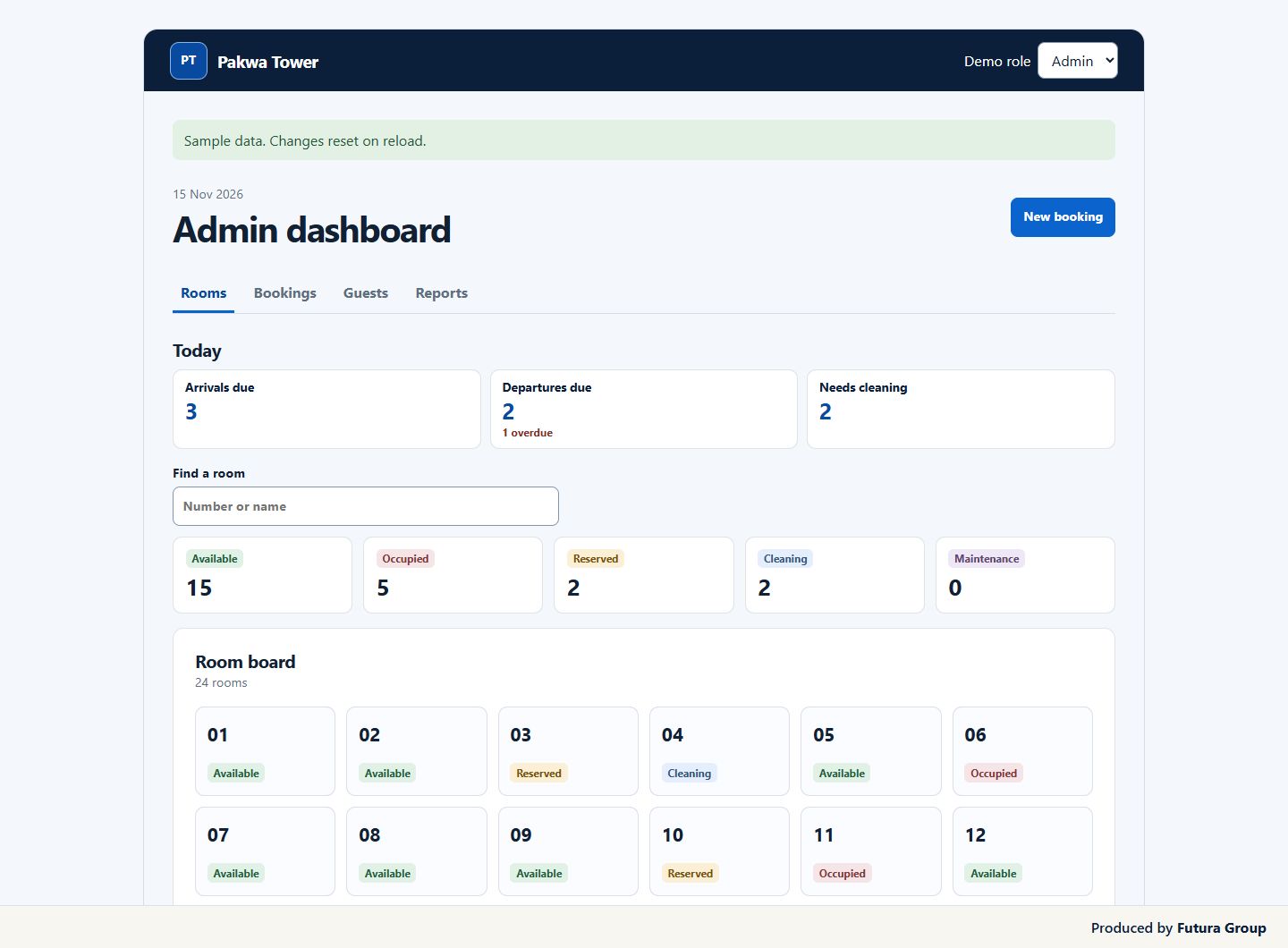
Give two suppliers the same enquiry journey to price. For example, a guest house might need a visitor to select dates, check a room type and send a booking request from a phone. Ask each supplier to show where the request will arrive, what the guest will see and how staff will know that somebody has responded.
A website development quote is easier to compare when one-off work and ongoing costs appear separately. Check whether copywriting, product entry, form setup, training and post-launch support are included. If one proposal leaves out an integration you need to take orders, ask for its cost before comparing the totals.
Agree on an acceptance test before the project starts. For the guest house, a staff member should receive a test enquiry, identify the requested dates and reply from the agreed account. That is a concrete result the buyer and developer can verify together at handover.
What to include in your website development quote
Give each developer the same short brief so you can compare what the price actually covers.
- Name the action a customer should complete on a phone, such as requesting a quote or booking a room.
- List the pages, forms and integrations required at launch. Ask who supplies the copy and images.
- Ask how the developer will test the enquiry form, hand over the site and measure results after launch.
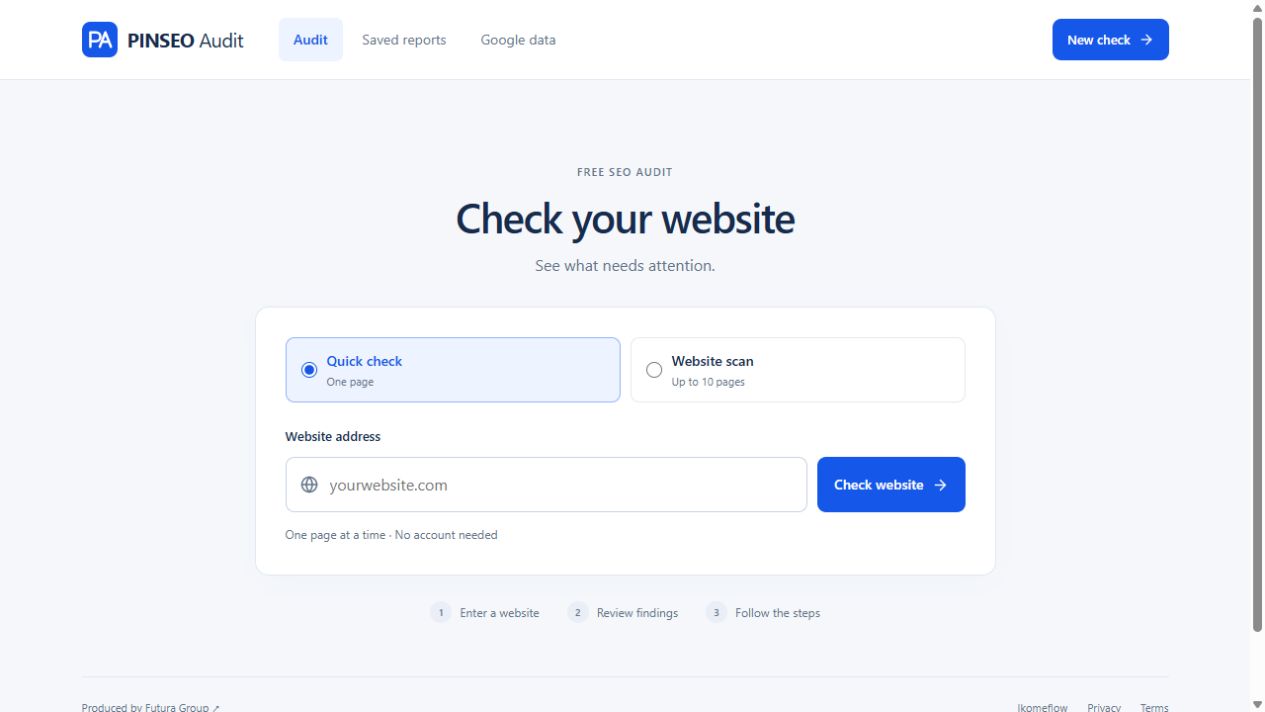
Run a priority page through PageSpeed Insights and include the mobile result in your brief.
Send Futura Group your current URL, target customer and preferred launch date to discuss a build that fits your sales process. Request a website development quote.