
A missed maintenance request can cost more than the repair itself. It can lead to a frustrated tenant, a vacant unit, a negative review, and hours of follow-up calls. Property management software gives landlords and property operators one place to control the daily work that often gets scattered across WhatsApp messages, spreadsheets, paper receipts, and memory.
For small and mid-sized portfolios, the goal is not to buy technology for its own sake. The goal is to collect rent reliably, respond faster, understand property performance, and create an operation that can grow without adding unnecessary administrative pressure.
In this guide
What Property Management Software Should Actually Do
At its core, property management software is an operational system for rental properties. It records who occupies each unit, what they owe, when payments are due, what maintenance work is open, and how the property is performing financially.
Property management software replaces fragmented processes with a shared record. Instead of searching through old messages to confirm a payment or calling multiple people to find the status of a repair, an operator can see the answer in a few clicks. That matters whether you manage five apartments, a block of commercial units, student housing, or a growing portfolio across several locations.
Most platforms offer a mix of tenant records, lease tracking, rent collection, maintenance management, expense logging, reporting, and owner or tenant communication. Some also include online applications, screening, accounting integrations, inspection tools, and marketing features.
The feature list can look impressive, but not every feature will produce value for your business. A landlord who mainly needs disciplined rent tracking has different needs from a property company managing multiple buildings and field maintenance teams.
Start With the Operational Problem, Not the Platform
Software selection goes wrong when a business starts by comparing brand names instead of identifying friction. Before booking demos, map how your team currently handles a tenant from first inquiry through move-out.
Ask practical questions. How are vacant units advertised? Where are lease agreements stored? Who confirms payments? How are arrears followed up? How does a tenant submit a maintenance issue, and who decides whether work is urgent? Can you produce a clear income and expense report for each property without rebuilding it manually every month?
The answers reveal where software can create the fastest return. For many operators, that is rent collection and arrears visibility. For others, it is maintenance coordination. A commercial property manager may care most about lease dates, service charges, contractor records, and reporting for owners.
Avoid paying for a large all-in-one system if your team will only use ten percent of it. At the same time, do not choose a basic rent tracker if your real problem is the lack of a connected workflow across listings, leases, repairs, payments, and reporting. The right decision depends on portfolio complexity, team size, local payment methods, and how quickly you expect to grow.
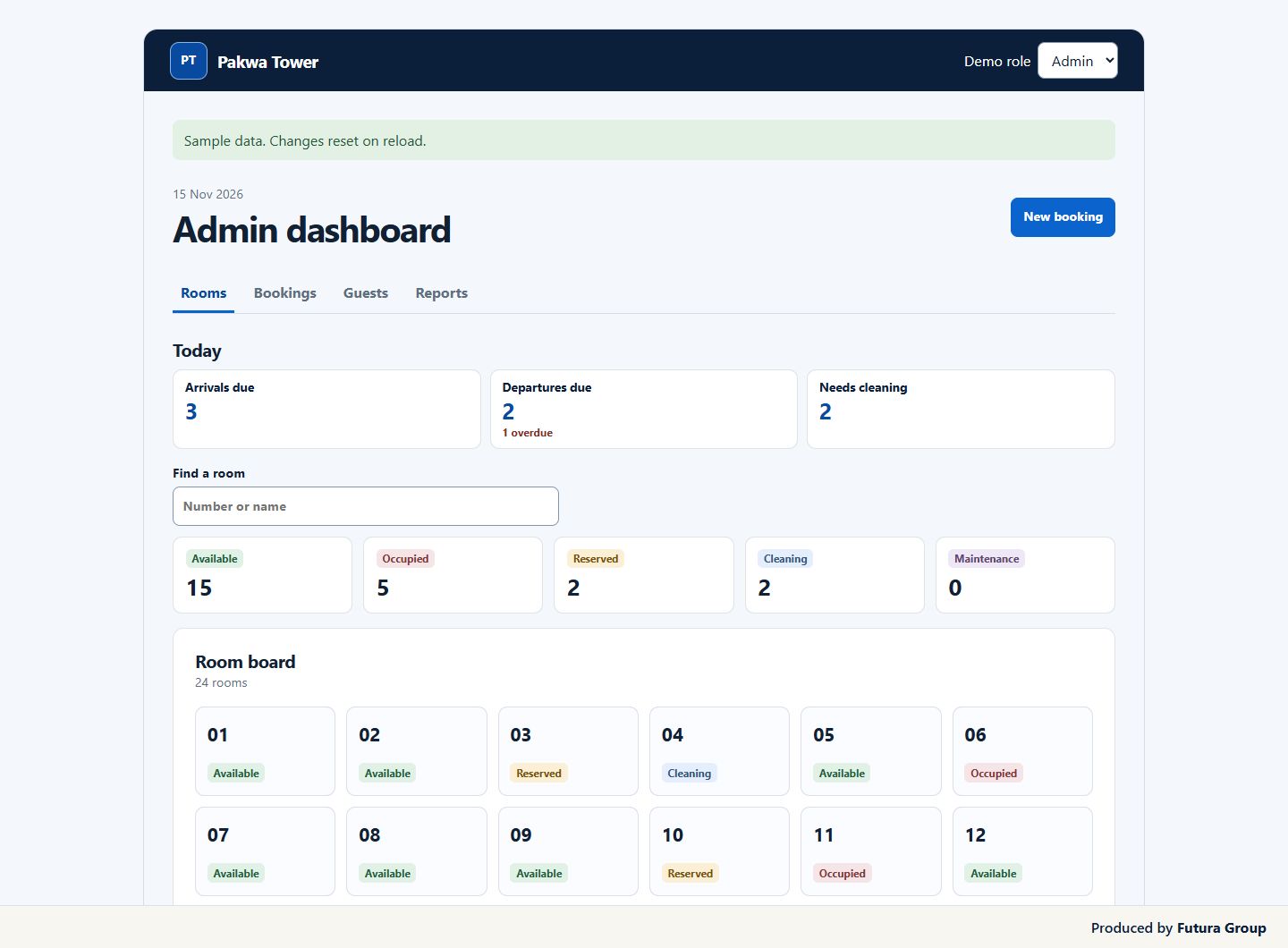
Property management software features for daily operations
Rent collection and arrears follow-up
Consistent cash flow is the foundation of a rental operation. A useful system should show what is due, what has been paid, what is overdue, and which tenants need follow-up. Automated reminders can reduce awkward manual chasing while establishing a more professional payment process.
Check whether the property management software supports payment methods your tenants will actually use. A platform with elegant features but no practical local payment option creates extra work rather than removing it. Also look for clear payment histories, downloadable receipts, partial-payment handling, and the ability to separate rent from deposits, fees, or utilities.
Maintenance workflows
Maintenance is where tenant experience and property value meet. Good software lets tenants or staff log an issue with a description, photos, location details, and urgency. The manager can assign a contractor, track progress, record costs, and keep a history of work completed in that unit.
This history is commercially useful. It helps identify recurring faults, monitor contractor performance, and plan preventive repairs before a small issue becomes a major expense. It also gives property owners better visibility into where maintenance budgets are going.
Lease, tenant, and document records
A spreadsheet may track names and due dates, but it rarely creates a complete tenant record. Property management software should keep leases, identification documents, inspection reports, communication notes, deposits, and renewal dates connected to the relevant unit.
Set reminders for lease expirations well in advance. That gives the business time to discuss renewals, market a vacancy, review pricing, or schedule inspections. Empty units are expensive, and many avoidable vacancies begin with late action on an approaching lease end date.
Reporting that supports decisions
Reports should answer business questions, not simply generate numbers. At a minimum, you should be able to see occupancy, rent collected, overdue balances, maintenance costs, income by property, and expenses by property or unit.
For a growing business, reporting also helps reveal patterns. If one building has unusually high repair costs or regular late payments, you can investigate early. If a unit type fills faster than another, that may influence renovation, pricing, and acquisition decisions.
How to test property management software before buying
A free trial or live demo is useful only when you test real scenarios. Create a sample unit, add a tenant, enter a lease, record a payment, log a maintenance request, and generate a report. If those basic actions feel confusing, the team is unlikely to use the platform consistently after launch.
Pay close attention to implementation. Migrating old data, configuring units, training staff, and setting rules for payment reconciliation all take time. A lower monthly fee can become expensive if setup is difficult or staff abandon the system after a few weeks.
Data ownership and security also deserve attention. Confirm who owns your records, how data can be exported, what user permissions are available, and whether former staff can be removed immediately. For businesses managing tenant financial and identity information, access control is not a minor technical detail.
Finally, review the total cost. Monthly subscriptions may be charged per unit, per user, or by feature tier. Payment processing fees, onboarding fees, accounting integrations, and premium support can change the real cost significantly. Compare the price against time saved, missed payments reduced, and reporting improvements, not against the cheapest subscription alone.
Software Does Not Fix an Unclear Process
Property management software can organize a good process. It cannot invent one. If staff do not agree on who approves repairs, how tenant complaints are escalated, or when overdue rent is followed up, software will simply make the inconsistency more visible.
Set simple operating rules before rollout. Define who enters new tenants, who verifies payments, how quickly maintenance requests receive a response, and what information is required before a job is closed. Train the team using the actual workflow, not a generic feature tour.
This is also where automation should be applied carefully. Automated payment reminders, lease renewal alerts, maintenance updates, and inspection checklists can remove repetitive work. But sensitive situations such as disputes, serious repairs, and hardship conversations still need a person who can make sound commercial and human decisions.
Connecting Property Operations to Business Growth
For landlords who rely on online inquiries, property management software is only one part of the operating system. A clear website, accurate property pages, strong local search visibility, and a fast inquiry process help bring in qualified prospects. The management platform then helps the team convert those inquiries into organized viewings, applications, leases, and long-term tenant relationships.
This connection matters because growth creates pressure. More leads without a process can mean slower responses and lost prospects. More units without reliable records can mean missed renewals and weak financial control. Businesses that combine digital visibility with disciplined operations are better positioned to grow without sacrificing service quality.
Futura Group approaches digital systems with this practical lens: tools should support measurable commercial work, not create another dashboard for a busy owner to ignore.
Choose for Adoption, Then Improve the System
The best property management software is the one your team can use correctly every day. Prioritize the workflows that protect revenue, reduce response time, and give you a reliable view of each property. Start with clean data, clear responsibilities, and a small number of measurable goals such as lower arrears, faster maintenance closure, or fewer vacant days.
Once the foundation is working, add deeper reporting, tenant portals, integrations, and automation where they genuinely remove friction. A well-run property business is built through consistent decisions, and the right system gives those decisions a stronger place to start.
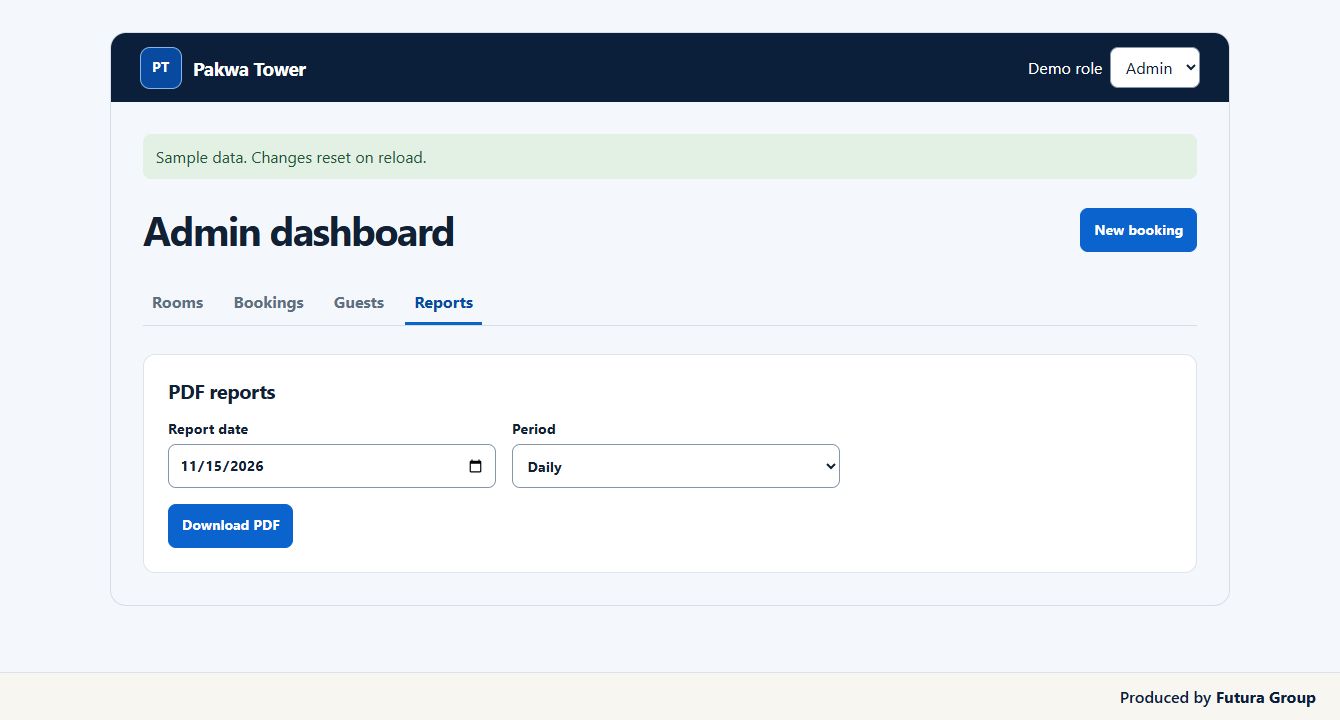
Compare property management software for your portfolio
Ask each provider to run the same three tests during a demonstration. Use sample records so you can compare the results side by side.
- Record a partial rent payment and check the balance on both the tenant record and the owner report.
- Log a repair, assign it to a staff member and check who can see the update.
- Export a month of transactions. Ask which fields you can keep if you move to another supplier.
For a hotel or guest house, review the room and booking management options. For a web-based system, the OWASP verification standard can help you specify access-control requirements when requesting a quote.
If you are comparing property management software, tell Futura Group how many units you manage and which task takes your team the most time. Request a property software quote.