

A service business can have a polished website, real expertise, and a sales team ready to respond, yet still miss qualified leads because its pages target the wrong searches. Keyword mapping for service businesses fixes that gap. It connects what prospects type into search with the specific service page, location page, guide, or proof asset that should move them toward a consultation, quote, or purchase.
Keyword mapping is not a spreadsheet exercise completed once and forgotten. It is a commercial plan for organic visibility. A good map prevents three expensive problems: several pages competing for the same term, high-value services receiving no search-focused page, and blog content attracting visitors who were never likely to become customers.
In this guide
What keyword mapping actually does
Keyword research tells you what people search for. Keyword mapping decides where your business will answer those searches and what commercial role each page will play.
For a web development company, a phrase such as web development services may belong on the main service page. A more specific phrase like e-commerce website development for small businesses may deserve its own service page if it represents a meaningful offer. A question such as how much does an e-commerce website cost is usually better served by a pricing guide that prepares prospects before they speak with sales.
The distinction matters because search engines need clear signals, but so do buyers. When a page tries to rank for every service, industry, location, and question at once, it often gives nobody a convincing reason to take the next step.
A practical keyword mapping exercise gives every important page one primary target, a set of closely related supporting terms, a search intent, and a business goal. It turns SEO from a collection of ideas into an execution plan for pages, content, internal navigation, and conversion improvements.
Set keyword mapping priorities by revenue
The highest-volume keyword is not automatically the best opportunity. Service businesses win by prioritizing searches tied to profitable work, realistic delivery capacity, and customers they actually want.
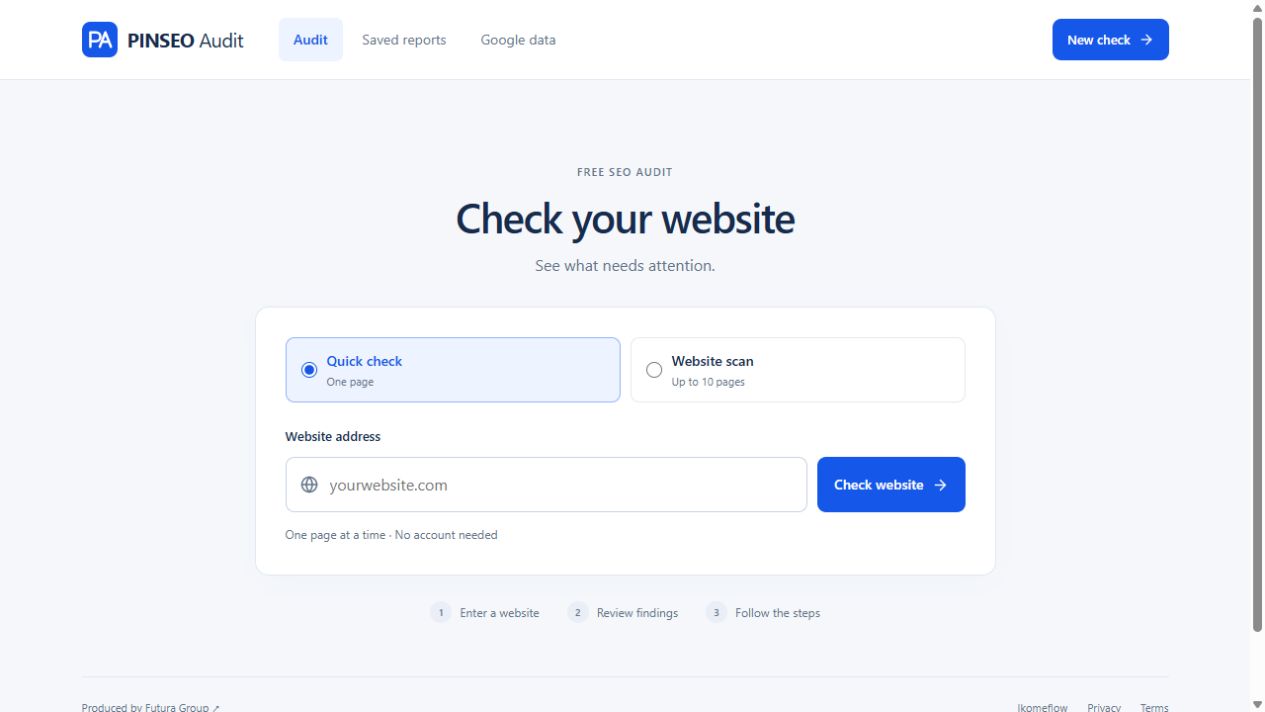
Start keyword mapping by listing your service lines. Include the services that produce reliable margins, create repeat work, lead to larger engagements, or differentiate you in a crowded market. A consulting firm may offer strategy sessions, implementation projects, and monthly advisory retainers. An accounting practice may offer tax preparation, bookkeeping, payroll, and CFO services. These are not interchangeable offers, so they should not be treated as one keyword group.
Next, identify the buyer behind each offer. Consider their problem, how urgent it is, what they may call the service, and what proof they need before booking. Founders looking for business automation may search for workflow automation consultant, n8n automation services, or automate customer follow-up. The wording changes, but the commercial need may be closely related.
Then score opportunities based on business value rather than volume alone. A keyword with 30 highly relevant searches per month can outperform a broad term with 3,000 searches if the smaller query consistently brings decision-makers ready to engage.
Build keyword mapping for service businesses around page roles
Each keyword cluster needs a home. That home should match the intent of the searcher and the depth of your offer. In most service websites, pages fall into four practical roles.
| Page role | Best use | Example search intent | |—|—|—| | Core service page | A broad, established service you want to sell | SEO services for small businesses | | Specialized service page | A distinct solution, niche, or delivery model | local SEO for law firms | | Location page | A service with genuine local relevance and local proof | web design company in Atlanta | | Educational page | A question that helps buyers evaluate the service | how to choose an SEO agency |
A core service page should explain the problem, process, deliverables, expected outcomes, proof, and next action. It should not be a thin page created only to repeat a phrase. If someone searches for website development services, they expect to understand what type of sites you build, who you build for, how projects are managed, and how to start.
Specialized pages work when the offer is truly different. For example, e-commerce SEO, technical SEO audits, and AI visibility consulting can each justify separate pages if your team has a defined process and can deliver the work. Do not create separate pages for small wording variations such as affordable SEO consultant and cheap SEO consultant. Those terms can usually be addressed naturally on one stronger page.
Match intent before writing content
A keyword mapping worksheet should record more than keywords. It should state why the person is searching and what the page must help them do.
Commercial searches often include terms such as services, agency, consultant, company, near me, pricing, or provider. These users are comparing options or looking to hire. Your page should make the offer clear, establish credibility quickly, and provide a direct path to book a consultation or request a quote.
Informational searches are different. A business owner searching for how to improve Google rankings may not be ready to hire immediately. Still, a useful article can build trust, capture early demand, and lead readers to a related service. The trade-off is that informational content generally requires more patience and a stronger internal content structure before it produces direct leads.
Transactional intent can be especially valuable for services with fixed packages, audits, training, or digital products. Searches for SEO audit price, keyword research course, or n8n automation training suggest a buyer may be ready to evaluate an offer now. Those pages should answer practical buying questions without forcing visitors to hunt for details.
Use local demand to guide keyword mapping
Local intent is powerful for businesses that serve clients in a defined area, but location pages should reflect reality. A page for SEO services in Dallas needs more than swapping one city name for another. It should show why your business can serve that market, include relevant examples or local context where appropriate, and offer useful information to people in that area.
If your service is delivered remotely, national or international targeting may be more commercially sensible than producing dozens of weak city pages. A digital consultancy can serve clients across the United States, Africa, or other markets without pretending to have an office everywhere. In that case, focus on service specificity, industry expertise, and the operational advantages of remote delivery.
The right choice depends on how customers buy. A local property service needs geographic relevance. A specialist web application developer may need evidence of technical capability more than neighborhood-level optimization.
Prevent keyword cannibalization before it costs traffic
Keyword cannibalization happens when two or more pages compete for the same search intent. Search engines may alternate between them, rank the weaker page, or fail to understand which page is the authoritative answer.
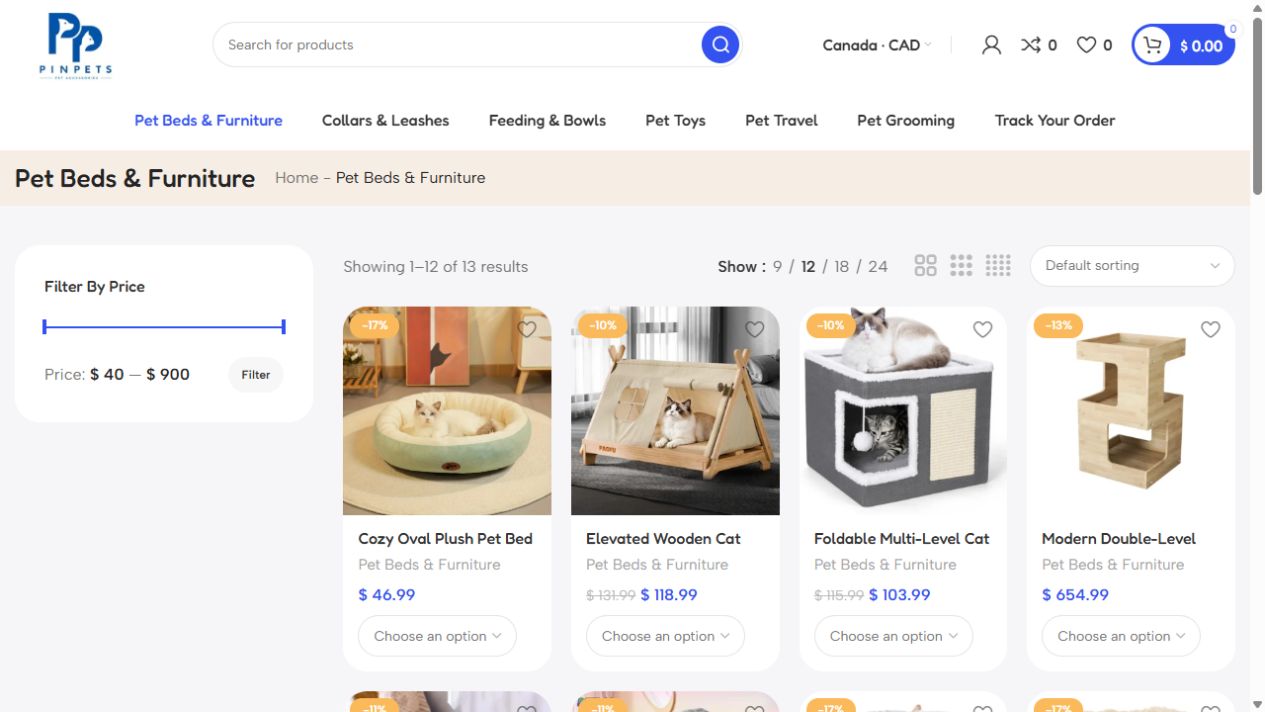
This often appears when a company publishes a main service page, a service-area page, multiple blog posts, and a campaign landing page that all target nearly identical phrases. More pages do not always create more visibility. Sometimes they split it.
Review existing pages before creating new ones. If two pages serve the same buyer and intent, consolidate them or clarify their roles. A general SEO services page can target broad commercial demand, while a technical SEO audit page can target prospects with a defined technical problem. The difference should be visible in the offer, page content, and call to action.
Your keyword mapping sheet should also include the current URL, page status, primary keyword, secondary terms, intent, target audience, and next action. This makes gaps and overlap easy to spot during content planning meetings.
Keep keyword mapping current
A keyword map only creates value when it changes execution. Use it to prioritize pages that are closest to revenue first. Improve core service pages before publishing a large library of general articles. Add proof, stronger calls to action, clear service details, and relevant supporting content around the pages that matter most.
Then use the map to guide internal links. A practical article about reducing manual tasks can point readers toward automation services. A guide about product category optimization can support an e-commerce SEO page. These connections help visitors continue their evaluation while giving search engines context about your site structure.
Review keyword mapping decisions quarterly. Search behavior changes, service offers evolve, and pages can lose relevance as competitors improve. Look beyond rankings. Track qualified organic inquiries, booked consultations, sales-assisted content, conversion rates, and the services generating the strongest pipeline.
The best map is not the one with the most keywords. It is the one that makes it easier for the right prospect to find a useful page, understand your value, and take the next practical step with your business.
Once the map is live, use the Google Search Console Performance report to compare queries and landing pages. If a booking query leads to a blog post, check whether that post gives readers a clear route to the service page.