
A prospect may never reach page two of Google before deciding who to contact. They may ask an AI assistant which provider serves their area, what a product costs, or which option fits a specific problem. Answer engine optimization for businesses is the work that makes your company easier for those systems to understand, trust, and recommend when that question is asked.
This is not a replacement for SEO. It is a commercial extension of it. Traditional SEO helps your site earn rankings and visits. AEO helps your best information become a useful answer inside AI search, voice search, featured results, and other zero-click experiences. For a business owner, the goal is simple: be present when a buyer is narrowing down a decision.
In this guide
What Answer Engine Optimization Means in Practice
Answer engines do not only look for pages with repeated keywords. They look for clear, supported information that can answer a question directly. That information may come from your service pages, product pages, location pages, FAQs, case studies, structured data, reviews, and authoritative mentions elsewhere online.
If you run an e-commerce store, an answer engine may need to identify product specifications, availability, delivery terms, return rules, and the type of customer a product suits. If you operate a service business, it may need to understand your locations, service scope, process, pricing approach, qualifications, and proof of results.
For answer engine optimization, the practical difference is this: SEO often starts with the search term. AEO starts with the buyer’s full question and the evidence needed to answer it confidently. The two should work together. A page that is optimized for neither usually leaves revenue on the table.
Why AI Visibility Changes the Buying Journey
AI-powered search results can reduce the number of websites a person visits before making contact. That creates a trade-off. Fewer clicks can mean less raw traffic, but the visitors who do click may be more informed and closer to purchasing.
For small and mid-sized businesses, this makes clarity more valuable than content volume. A 3,000-word article that never states what you offer, who it is for, or where you operate may be less useful than a focused page that answers those questions in the first few sections.
Answer engines also favor consistency. If your website says you serve nationwide customers but your business listings show one city, the information is harder to trust. If one page describes a product as premium and another lists incomplete specifications, you create uncertainty at the exact point a buyer needs confidence.
That is why answer engine optimization is not just a content task. It connects website development, on-page SEO, product data, brand messaging, and business operations.
Answer Engine Optimization for Businesses Starts With Real Questions
The strongest answer engine optimization strategy begins with the questions your sales team, customer support staff, and prospects hear repeatedly. These are not always high-volume keyword phrases. They are often decision questions such as whether you serve a certain location, how long implementation takes, what is included, whether a product works for a specific use case, or how your price compares with alternatives.
Start by reviewing inquiry emails, sales calls, live chat conversations, product reviews, and competitor pages. Then group questions by intent. Some people need a basic explanation. Others are comparing options, checking trust signals, or looking for a provider ready to buy from now.
Each important question should have a natural home on your site. Do not force every answer into one oversized FAQ page. A delivery question belongs on a shipping page or product page. A question about a consulting process belongs on a service page. A comparison question may deserve a dedicated article if it has clear commercial value.
Write the answer before expanding the page
A useful answer engine optimization method is to write a two- or three-sentence answer first. Make it direct, specific, and accurate. Then add the supporting details a serious buyer needs.
For example, a web development company should not lead with broad claims about building modern websites. It should clearly state the type of sites it builds, the businesses it serves, the expected project process, what is included, and the next step for getting a quote. The explanation can be persuasive without becoming vague.
This structure also improves usability for human visitors. People scan. Clear answers, descriptive subheadings, and concise sections help them find what they came for without working through marketing language.
Make proof easy to find
Answer engines have limits. They can summarize what your business says, but they cannot create credibility where evidence is missing. Add proof that supports important claims: client outcomes, product specifications, certifications, clear policies, expert authorship, original images, and current business details.
Be careful with claims such as best, leading, guaranteed, or number one. They may sound strong on a sales page, but unsupported superlatives are weak information. Specific proof performs better. A verified turnaround time, a documented process, or a clear product feature gives buyers something they can evaluate.
Build Pages That Can Be Understood Quickly
Answer engine optimization does not require writing only short content. It requires organizing information so the main point is unmistakable. Every core page should make several basics clear: what the page is about, who the offer is for, what problem it solves, what makes it credible, and what action a prospect can take.
Use descriptive headings rather than clever ones. Add concise definitions when discussing technical services. For example, an automation page can explain what n8n workflows handle, which routine tasks they reduce, and where human approval should remain part of the process.
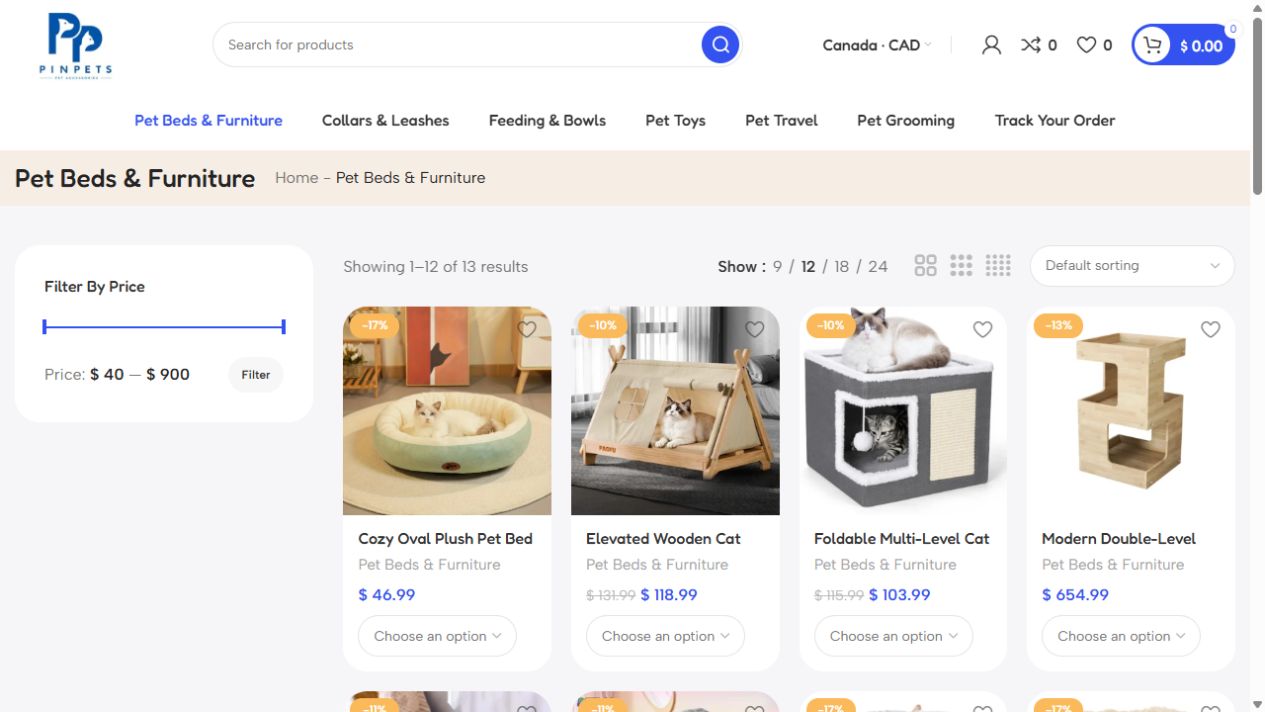
For e-commerce, complete product information matters. Include dimensions, materials, compatibility, care instructions, delivery expectations, returns, and practical usage details where relevant. A product title and a short sales description may be enough for a catalog, but not for a customer comparing options through AI search.
Local and service-area businesses should also keep location information precise. State where you work, whether service is remote or on-site, and any limitations that affect availability. Trying to appear everywhere with thin city pages is rarely a durable strategy. It can weaken trust for customers and search systems alike.
Technical Checks for Answer Engine Optimization
Good writing will not compensate for a website that is slow, difficult to crawl, or confusing on mobile. Search engines and answer engines need access to your content, while customers need a site that loads quickly and makes contact or checkout straightforward.
Structured data can help clarify business details, products, services, reviews, FAQs, and articles for search systems. It is useful when it reflects visible, accurate content. Markup is not a shortcut to visibility, and misleading schema can create more problems than benefits.
Keep pages current. Old prices, discontinued services, broken product links, and outdated team information create friction. For many businesses, a quarterly review of core commercial pages is more valuable than publishing weekly blog posts with no buyer purpose.
Measure Answer Engine Optimization Through Buyer Actions
An AI citation or answer-engine mention can be encouraging, but it is not the finish line. Track whether visibility leads to qualified visits, contact form submissions, calls, product sales, booked consultations, or assisted conversions.
Attribution for answer engine optimization is imperfect. A buyer may see your business in an AI answer, search for your brand later, and convert through a direct visit. That does not make the earlier visibility irrelevant. It means you should review branded search growth, lead quality, sales conversations, and conversion paths alongside rankings and traffic.
At Futura Group, the practical question is always whether a visibility improvement supports a stronger business outcome. More impressions are useful when they bring the right customers closer to action.
Common Answer Engine Optimization Mistakes
A common answer engine optimization mistake is publishing generic AI-written pages that repeat familiar advice without adding experience, specifics, or proof. These pages may look complete, but they give answer engines little reason to rely on them.
The second is treating FAQs as a trick. FAQ sections work when they answer genuine questions and match the rest of the page. Filling a page with artificial questions can make the content harder to read and less credible.
The third is ignoring conversion. If an answer engine sends a ready-to-buy prospect to a vague page with no clear offer, proof, pricing context, or next step, visibility will not produce much value. Your page needs to finish the job that discovery started.
Start With the Pages Closest to Revenue
Do not begin by rewriting your entire site. Start with the pages that influence sales: your main service pages, top product categories, best-selling product pages, key location pages, and high-intent comparison content. Improve the answers, add missing proof, resolve conflicting information, and make the call to action clear.
Then build from what buyers actually ask. The businesses that earn durable AI visibility will not be the ones chasing every new feature. They will be the ones that make it easier for customers to get a reliable answer and take the next practical step.
For the technical requirements a page must meet before Google can show it in an AI answer, see Google’s guidance on AI search features.