

A page can rank, attract thousands of visits, and still produce no meaningful leads or sales. The usual problem is not traffic volume. It is a mismatch between what the searcher needs and what the page delivers. Search intent analysis solves that problem by helping you understand the job behind a query before you create, optimize, or invest in content.
For founders, e-commerce operators, and service businesses, this is where SEO becomes commercial. You are not trying to appear for every related keyword. You are building the right page for the right buyer at the point where they are most likely to take the next step.
In this guide
What Search Intent Analysis Really Means
Search intent analysis is the process of identifying why a person searched for a specific phrase and what type of answer, page, or action they expect next. A search for “how to choose accounting software” has a different purpose from “accounting software pricing” or “bookkeeping services near me.” Those queries may sit in the same topic area, but they require different content and different business outcomes.
Search engines have become very good at reading these distinctions. They look at the wording of the query, the pages users click, what results currently satisfy them, and whether people return to search for something else. AI-powered search experiences are following the same direction. They favor clear, useful answers that fit the question and the stage of the decision.
This means keyword volume alone is not a content strategy. A keyword can look attractive in a research tool but bring visitors who only want a definition, a free template, or a comparison that your sales page cannot provide. The better question is: what does the person expect to accomplish after typing this search?
The Four Core Types of Search Intent
In search intent analysis, four categories help distinguish readers from buyers. These labels are useful, but real searches can overlap. Someone researching a product may be learning and comparing at the same time.
Informational intent comes from people looking for knowledge, instructions, explanations, or ideas. Queries often include words such as “what,” “how,” “why,” “examples,” and “best way to.” A business owner searching “how to reduce cart abandonment” likely needs practical guidance before they are ready to hire an e-commerce consultant.
Navigational intent is when someone wants a specific company, website, product, or platform. Searches such as “PINSEO Academy keyword research course” or “Shopify login” are navigational. Your job here is simple: make brand pages easy to find, clearly named, and technically accessible.
Commercial investigation signals evaluation. The searcher is considering options and wants proof, comparisons, prices, reviews, use cases, or feature details. Phrases such as “best CRM for small business,” “SEO agency vs freelancer,” and “website redesign cost” commonly sit here. These are high-value opportunities because the buyer is moving closer to a decision.
Transactional intent shows that a person is prepared to act. They may search “buy dog food online,” “book web design consultation,” “SEO audit service,” or “apartments for rent in [location].” These pages should reduce friction, show the offer clearly, answer final objections, and make the next action obvious.
The commercial value is not always highest at the transactional stage. Informational content can introduce your expertise and build a pipeline of future customers. But it needs a realistic role. Do not judge an educational article by the same direct-sales standard as a service page.
How to Perform Search Intent Analysis Before Creating a Page
Start with a keyword list, but do not stop there. Treat every meaningful term as a question about buyer behavior. The strongest analysis combines keyword data, search results, and what you know about your customers.
Read the Search Results Like a Customer
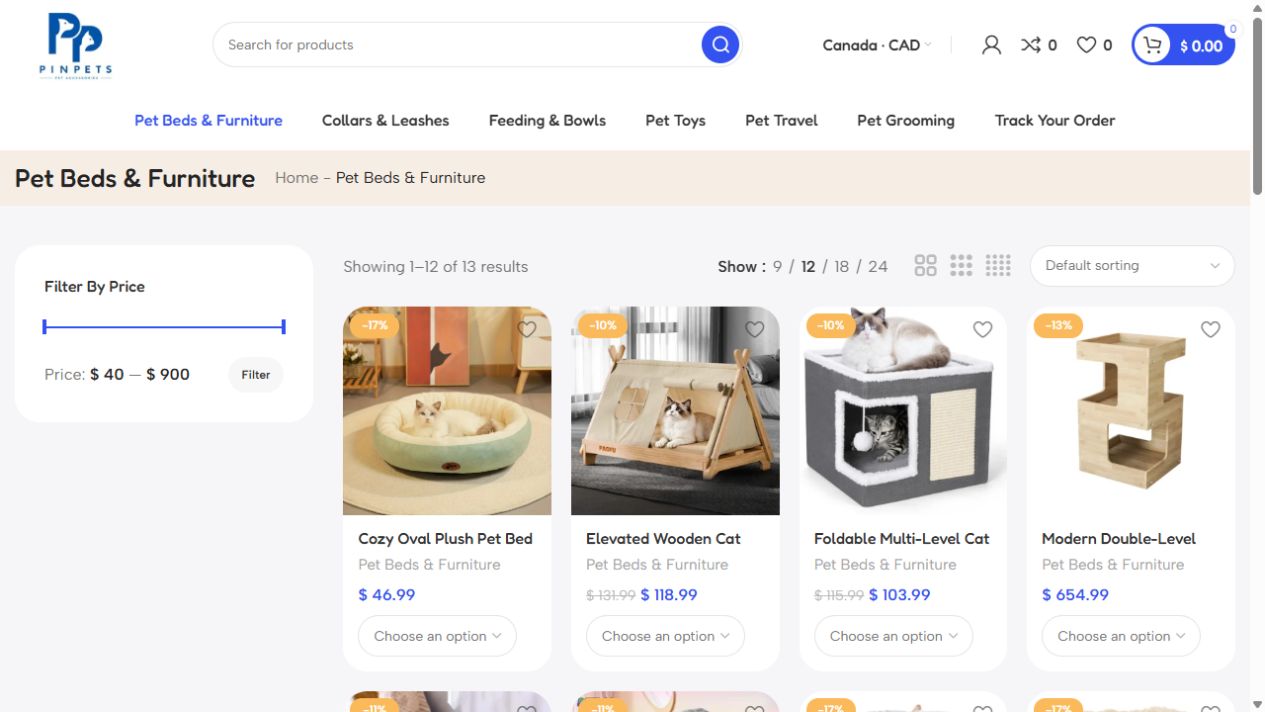
Search the phrase in a clean browser window and review the first page. Look beyond the blue links. Are the dominant results product pages, local listings, comparison articles, video results, category pages, tools, or detailed guides? The result mix reveals what search engines believe users want.
If the first page for “best project management software” is filled with comparison articles, a direct software sales page may struggle to rank. That does not mean the keyword is useless. It means you may need a comparison page, a buyer’s guide, or a product page that directly addresses evaluation criteria.
Pay close attention to titles and page angles. If top-ranking pages all promise pricing, pros and cons, and side-by-side comparisons, your 500-word general article is unlikely to meet the same need. Match the format first, then improve the substance.
Look for Intent Modifiers
Small words often change the meaning of a search completely. “For small business,” “near me,” “pricing,” “template,” “review,” “alternatives,” “agency,” “course,” and “buy” are strong clues about what the user wants.
For example, “e-commerce SEO” is broad and may support an educational guide. “E-commerce SEO services” points to a service page. “E-commerce SEO course” calls for a training product page. Sending all three queries to one generic page forces visitors to work too hard to find their answer.
Connect the Query to a Business Stage
Good search intent analysis also records where each searcher sits in the buying journey. Awareness queries identify a problem. Consideration queries compare approaches. Decision queries evaluate providers or products. Retention queries help existing customers get more value.
This step keeps your content plan balanced. A website filled only with broad awareness articles may generate traffic without enough inquiries. A website filled only with sales pages may miss the people who are still defining their problem. The right mix depends on your sales cycle, average order value, and how much research customers do before buying.
Review Your Current Page Before Building Another One
Search intent analysis can also reveal a problem with an existing page. It is that an existing page targets multiple intents poorly. A web development service page may try to explain website basics, compare platforms, list every technical capability, and request a consultation. The result can feel unfocused to both search engines and buyers.
Identify the page’s primary intent and give it one clear job. Supporting questions can be answered on the page, but they should not bury the main offer. If a separate intent deserves a separate page, create one and connect the content through sensible site navigation.
Use search intent analysis to choose a page and call to action
Intent should shape more than a keyword placement plan. It should influence the page format, opening message, proof, calls to action, and conversion path.
An informational guide should answer the question quickly, demonstrate practical expertise, and offer a logical next step. A reader researching on-page SEO may appreciate a clear checklist and then choose a practical course or request implementation support. The call to action should fit the reader’s level of readiness.
A commercial investigation page needs comparison details and evidence. Explain who each option is best for, where trade-offs exist, what implementation requires, and what results are realistic. Vague claims about being the best rarely persuade a business buyer who is comparing several providers.
A transactional page should make the offer easy to understand within seconds. State the outcome, scope, starting point, proof, and action. For a local service, location relevance and contact options matter. For e-commerce, product details, delivery expectations, returns, and trust signals may matter more.
This is also where many businesses misuse calls to action. Asking every visitor to “Book a Consultation” can be effective for high-ticket services, but it may be too large a commitment for an early-stage researcher. A guide, audit framework, course, product comparison, or email follow-up can be a better bridge. The right path depends on the transaction and your capacity to nurture leads.
Search Intent Analysis for AI Visibility
AI search tools often assemble answers from sources that are specific, structured, credible, and directly responsive to the question. That does not replace conventional SEO. It reinforces the need to organize content around real user needs instead of loose keyword repetition.
Use clear headings that mirror customer questions. Define terms plainly. Include examples, constraints, and decision criteria. Make your services, products, and expertise easy to identify. A vague page may still contain relevant information, but an answer engine has less confidence in citing it when the message is scattered.
There is a trade-off here. Writing only for short AI summaries can make your content thin and interchangeable. Write enough depth to help a serious buyer make a decision, then structure it so the key answer is easy to extract. That approach supports both human readers and evolving discovery channels.
Measure the effect of search intent analysis on enquiries
Rankings are useful, but they are not the final score. Track organic landing-page conversions, qualified inquiries, sales, assisted conversions, engagement with the next step, and the search terms bringing users to each page. If a page ranks well but has weak engagement and conversion, revisit the intent match before assuming the traffic is low quality.
Also compare performance by page type. Educational content may drive newsletter signups, course purchases, or later branded searches. Service pages should generally produce inquiries or calls. Product and category pages should support revenue, add-to-cart activity, and repeat purchases. Measuring all content by one metric creates bad decisions.
Search intent analysis is practical because it forces every page to earn its place. Before publishing your next article, service page, or product collection, ask what the searcher wants to do next and whether your page makes that action easier. When the answer is clear, stronger visibility and stronger commercial results can grow together.
Commission search intent analysis for a priority service
Choose one service you want to sell and bring three examples of questions prospects ask before they contact you.
- Ask the analyst to identify the page type that currently appears for each query.
- Request a mapping from each buying query to a specific service, product or comparison page.
- Agree on the action you will measure on that page, such as a quote request or completed order.
Compare the proposed terms with real queries in the Search Console performance report.
Share your priority offer and target market with Futura Group to scope a keyword and landing-page review. Request a search intent analysis.