

A business owner may spend thousands on a new website, social ads, or a sales team, then leave the pages customers search for untouched. That is why the real question is not simply, “is SEO worthwhile?” It is whether your business can turn search visibility into qualified conversations, orders, bookings, and repeat revenue.
For many small and mid-sized businesses, SEO is one of the few growth channels that can keep producing after the initial work is complete. But it is not instant, and it is not valuable just because traffic goes up. It works when the strategy connects the phrases people search, the pages they land on, and the commercial action you want them to take.
In this guide
Is SEO Worthwhile? Start With Commercial Intent
SEO is worthwhile when people are already looking for what you sell, or for the problem you solve. A local contractor whose prospects search for specific repair services, an e-commerce store with product-category demand, and a B2B provider offering a defined service all have a strong reason to invest.
The opportunity is weaker when a business has no clear offer, no conversion path, or no ability to serve additional demand. Sending more visitors to a slow site with vague messaging does not create growth. It creates a bigger leak.
Start with three practical questions. First, do potential customers use search before they buy? Second, can you identify searches that suggest a real need rather than casual curiosity? Third, does your website make it easy for those visitors to request a quote, book a call, buy a product, or contact your team?
If the answer is yes, SEO can become an asset rather than a marketing expense. Each useful page can attract customers month after month, unlike an ad campaign that stops the moment the budget runs out.
What SEO Actually Delivers
Good SEO is often described as rankings. Rankings matter, but they are not the final outcome. A first-page position for a keyword that brings the wrong audience may look good in a report and contribute nothing to the business.
The commercial value comes from matching intent. A search for “best project management software” needs comparison content. A search for “accounting firm for small business near me” needs a focused service page with clear trust signals and a direct contact option. A search for a product model needs an accurate product page, useful specifications, stock information, and a simple checkout process.
This is why SEO often improves more than organic traffic. The work can expose weak page structure, confusing offers, thin product descriptions, missing location information, and technical issues that slow the site down. Fixing those problems can improve results from referrals, email, paid campaigns, and direct traffic too.
For an e-commerce operator, the gains may come from better category pages, product schema, internal links, and content that answers shopper questions before they abandon the cart. For a service business, the gains may come from location pages, case studies, service explanations, and landing pages built around high-intent searches.
Is SEO worthwhile once you include implementation costs?
One reason businesses are disappointed with SEO is that they treat it as a request for a few blog posts. Content is useful, but it is only one part of the system.
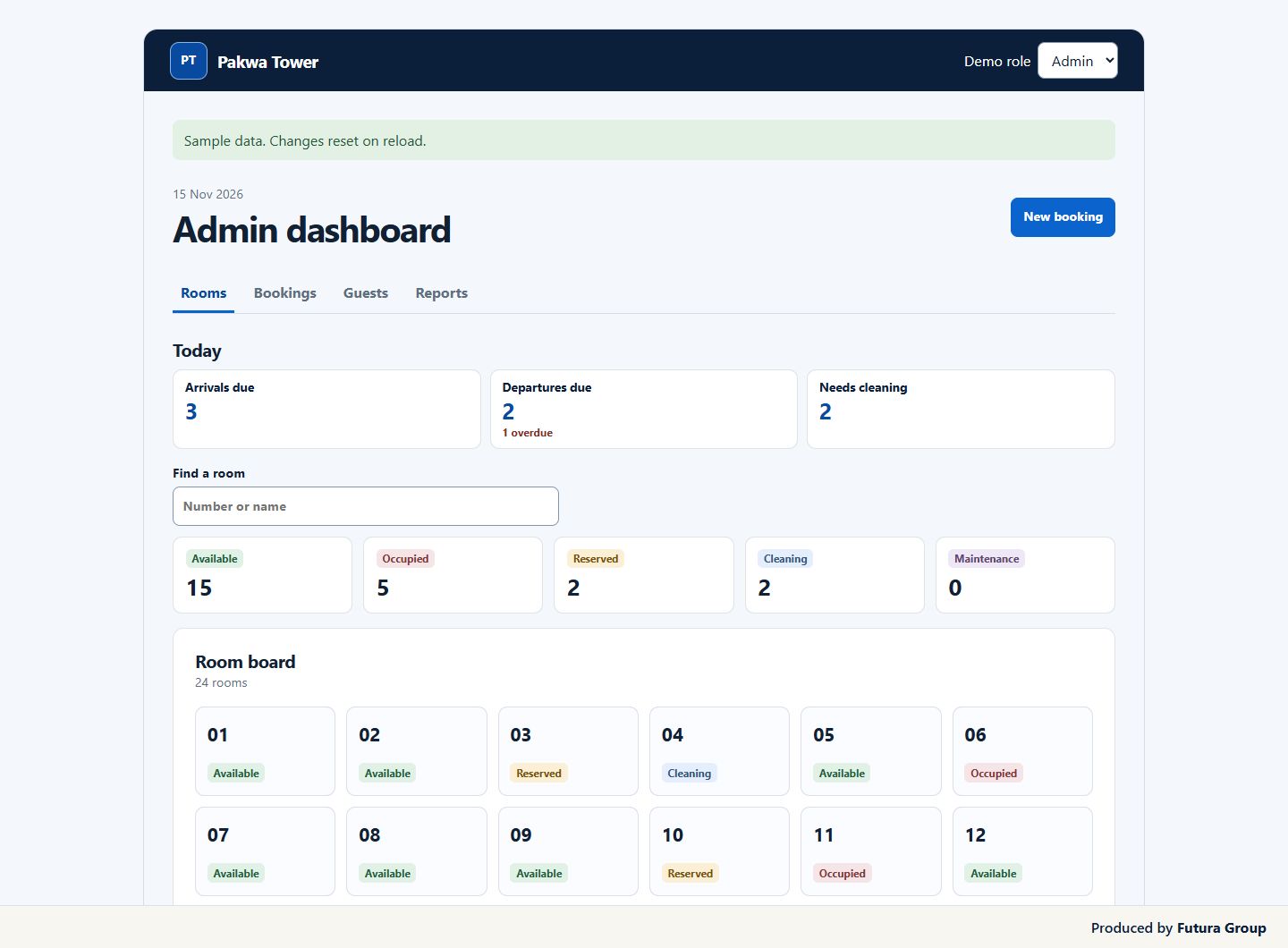
A workable SEO program usually includes technical foundations, keyword research, page optimization, content development, internal linking, authority building, and conversion improvements. The exact mix depends on the website. A new local business may need solid service pages and local visibility first. An established online store may need to clean up duplicate pages, improve product taxonomy, and strengthen category-level optimization.
There is also an operational requirement. If SEO creates more leads, can your business respond quickly? Can your team answer product questions, provide accurate pricing, and follow up without losing momentum? Search marketing can generate demand, but it cannot repair a broken sales process on its own.
The strongest projects treat SEO as part of business development. Marketing, website performance, sales follow-up, and customer experience should support the same outcome.
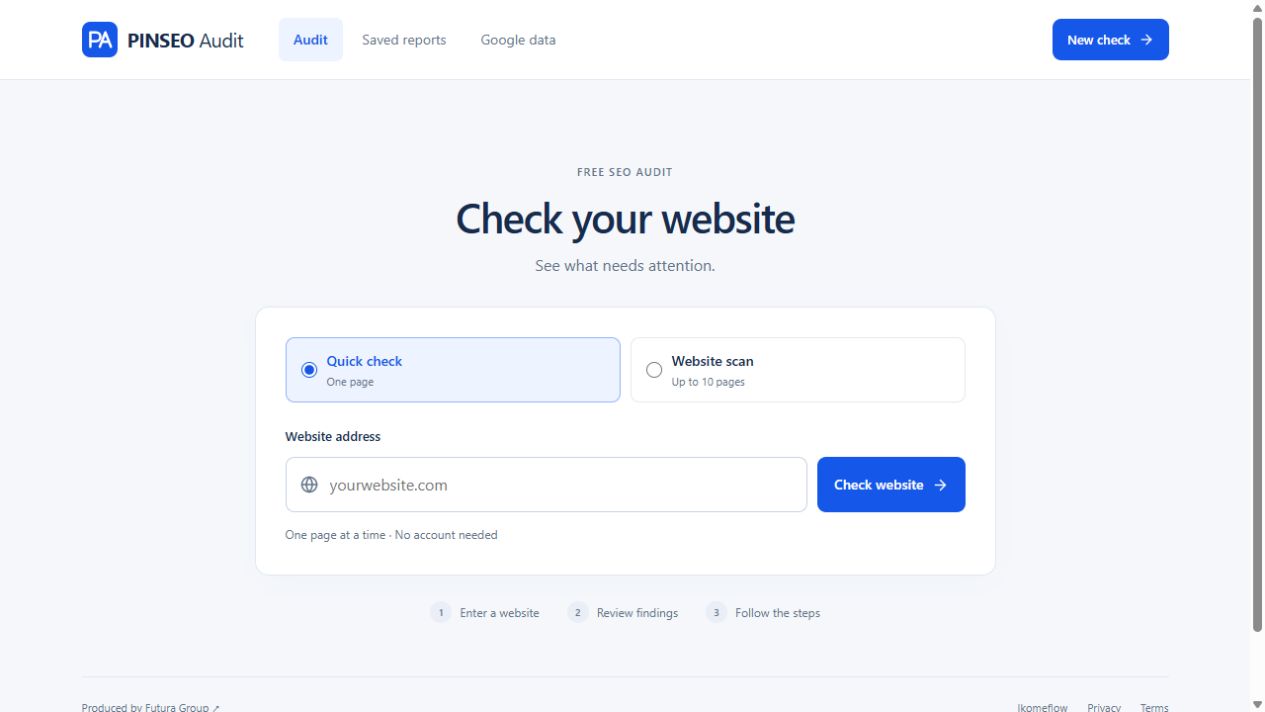
Is SEO worthwhile before your offer is ready?
There are cases where another priority should come first. If your website is not functional on mobile, takes too long to load, has no clear offer, or cannot convert visitors, start there. A credible website is not a cosmetic extra. It is the place where organic attention becomes a commercial opportunity.
SEO may also be a poor short-term fit when you need sales immediately and have no existing search footprint. Paid acquisition, partner outreach, referrals, or direct sales may fill that gap faster while your organic strategy gains momentum.
Businesses with very limited search demand should be realistic as well. A highly specialized product may need education, outbound sales, trade partnerships, or social content to create awareness. SEO can still support the buying journey, but it may not be the primary acquisition engine.
Finally, avoid investing in SEO solely to chase broad traffic. A page that attracts students, job seekers, competitors, and people outside your service area can inflate visitor numbers while draining time and budget. Prioritize relevance over volume.
Is SEO worthwhile for a local service business? A worked example
Suppose a repair business is comparing a monthly SEO quote of 150,000 XAF. An extra completed job contributes 30,000 XAF after the direct cost of doing the work. The business needs five extra jobs to cover that month’s fee. If one in four qualified enquiries becomes a job, it needs 20 additional qualified enquiries at that close rate. These figures are illustrative. Use your own margins, close rate and total campaign costs when comparing proposals.
Ask the provider how you would distinguish the extra jobs from work you already receive through referrals or repeat customers. Agree on a baseline, keep a record of completed sales and review costs over the whole campaign.
How Long Does SEO Take to Pay Off?
SEO is a compounding channel, not a quick switch. Timelines vary based on competition, site quality, domain history, content depth, geographic focus, and the resources available for implementation.
A business can often see early technical improvements, better indexation, and movement for lower-competition terms within a few months. Meaningful commercial results for competitive markets commonly take longer. The point is not to promise a universal timeline. The point is to set measurable milestones before work begins.
Those milestones should include more than rank positions. Track organic clicks to important pages, qualified leads, product revenue, booked calls, conversion rates, and the cost of acquiring a customer. If a page ranks well but does not convert, the next step may be improving the offer or page experience rather than publishing more content.
Is SEO worthwhile compared with paid search? Start with your actual cost per qualified lead. If paid search costs $20 for each qualified click in your market, building organic visibility for high-intent terms can become valuable over time. If a customer is worth $2,000 over their relationship with your company, even a modest increase in qualified leads may justify a serious SEO investment.
SEO Now Includes AI Visibility
Search behavior is changing. Customers increasingly ask AI-powered tools for recommendations, explanations, product comparisons, and service options. That does not make traditional SEO obsolete. It makes clear information, credible expertise, and well-structured pages more valuable.
AI visibility and answer engine optimization build on many of the same fundamentals: useful content, strong topical coverage, accurate business information, logical page structure, and evidence that your company is credible. A website that answers practical questions clearly is more likely to perform well across both conventional search results and emerging discovery experiences.
However, businesses should not chase every new platform at the expense of their own site. Your website remains the asset you control. It should explain what you do, who you help, why customers should trust you, and what action to take next.
Is SEO worthwhile at your current margins?
When an owner asks “Is SEO worthwhile for us?”, start with the economics of a specific offer. Estimate the value of one new customer, the number of qualified leads you need each month, and the searches most likely to bring those people to your website. Then review whether your existing pages can earn attention and convert it.
If you have clear demand, a viable offer, and the capacity to serve new customers, SEO is usually worthwhile. If one of those pieces is missing, fix it before scaling traffic. The best strategy is not the one that generates the most visitors. It is the one that creates a reliable path from discovery to revenue.
For businesses ready to build that path, start with the pages closest to a sale. Improve the service, category, product, and location pages that answer high-intent searches. Then use supporting content to remove doubts, demonstrate expertise, and help buyers make a confident decision.
Search visibility is not a vanity project. Done with commercial discipline, it becomes a working part of your sales system – one that keeps helping the right customers find you when they are ready to act.
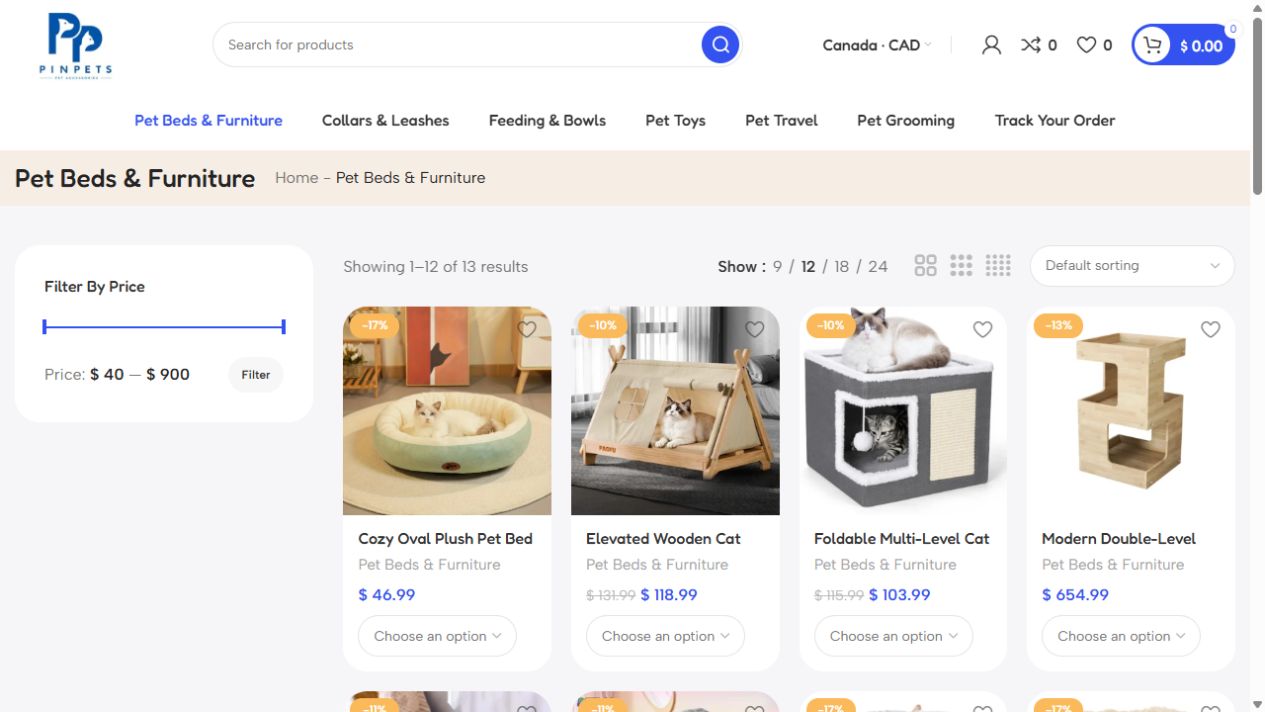
Is SEO worthwhile for your next sales target?
Before buying a retainer, give the provider one offer to assess. Ask to see the assumptions behind the proposal.
- Identify a query that a customer uses when comparing suppliers. Look at which pages currently answer it.
- Estimate the gross profit on a typical sale and the share of qualified enquiries that become customers.
- Request an itemised scope and agree on how the team will track qualified enquiries from organic search.
Use Google’s Search Console guide to find the queries already bringing visitors to your site.
Share your priority offer and target market with Futura Group for a review of the opportunity. Request a PINSEO consultation.