

A product page with price, availability, ratings, and delivery details visible before the click has an obvious commercial advantage over a plain blue link. That is the practical reason business owners ask, does schema improve search results? The honest answer is yes, but not in the simplistic way many SEO checklists suggest.
Schema markup can help search engines understand what a page contains and, in eligible cases, present that information more clearly in search results. It does not turn a weak page into a top-ranking page overnight. It can, however, make a well-built page easier to interpret, more likely to qualify for enhanced results, and more persuasive when a buyer is comparing options.
For a business investing in SEO, e-commerce, or AI visibility, schema should be treated as a supporting system. It strengthens the signals already coming from useful content, sound technical SEO, clear page structure, and a credible offer.
In this guide
What schema markup actually does
Schema markup is structured data added to a web page, usually in a format called JSON-LD. It labels the meaning of page elements for search engines. Rather than making Google infer that a number is a product price or that a paragraph answers a common question, schema provides an explicit machine-readable description.
A local service business, for example, can identify its business name, service area, phone number, hours, and services. An online store can identify a product, its brand, price, stock status, and reviews. A training provider can clarify course details, instructors, and pricing when the information on the page supports those claims.
This is useful because search platforms process enormous volumes of inconsistent web content. Clear structured data reduces ambiguity. It gives crawlers a more organized view of the entities, offers, and relationships on your site.
That does not mean every piece of markup will show visibly in Google. Search engines decide when, where, and whether to display enhanced search features. Your role is to provide accurate, eligible information. The platform controls the final presentation.
Does schema improve search results directly?
Schema is not generally considered a direct ranking factor in the sense that adding it automatically moves a page from page three to position one. Google has repeatedly made this distinction. If the page has thin content, poor search intent alignment, slow performance, or no authority, structured data will not solve those larger problems.
Its value is often indirect and commercial. When schema helps a result earn a rich presentation, it may improve visibility and click-through rate. More qualified people can see the price, review rating, event date, recipe time, or product availability before they visit. This can reduce unqualified clicks while increasing clicks from people closer to making a decision.
Consider two e-commerce listings competing for the same product search. One result simply shows a title and meta description. The other shows product pricing, in-stock status, and customer reviews. If both rank in similar positions, the second listing may win more attention because it answers key purchase questions immediately.
That is not a guarantee. Rich results can disappear, competitors can have stronger listings, and search layouts change constantly. Still, for pages already capable of ranking, schema can improve the quality of the search result itself.
The ranking effect versus the conversion effect
Business owners often focus only on rankings because rankings are easy to report. Revenue comes from the next stages: the impression, the click, the landing-page experience, and the conversion.
Schema can influence the impression-to-click stage. It may also improve the search engine’s confidence about what the page is about, which supports accurate indexing and relevance over time. But its most immediate commercial benefit is usually better result presentation, not a magical ranking boost.
This distinction matters when setting expectations with an SEO provider or internal team. Ask not only, “Will this raise rankings?” Ask, “Which pages could earn more qualified traffic if searchers see clearer information before clicking?”
Where schema creates the most value
The best schema type depends on the business model and page purpose. Adding every schema type you can find is not a strategy. It creates maintenance work and raises the risk of invalid or misleading markup.
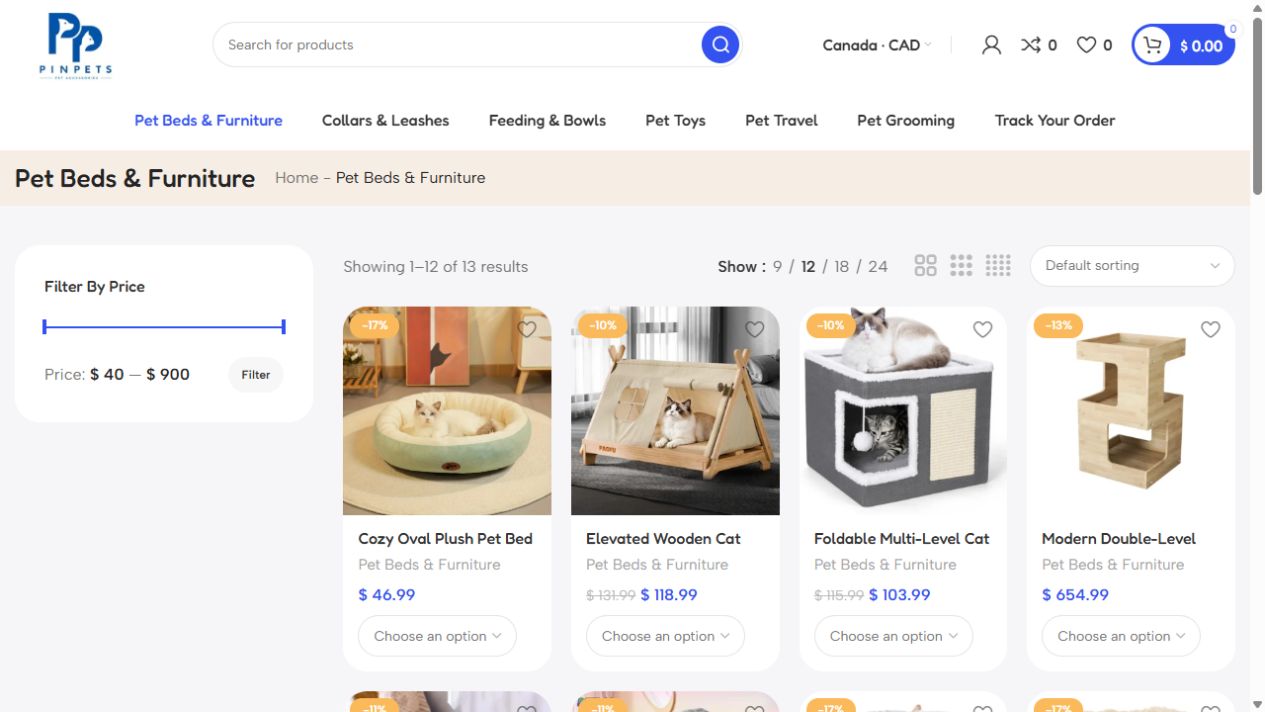
For e-commerce stores, Product schema is often the highest-priority opportunity. It can communicate product names, images, descriptions, offers, prices, currency, availability, and review information. The data must match what shoppers can see on the page. Showing one price in markup and another on the page is not just poor practice. It can make the page ineligible for rich results.
Local and service businesses benefit from Organization and LocalBusiness schema, alongside clearly structured service pages. This helps establish basic business identity and can support consistent interpretation of contact details, location, and operating information. It is particularly valuable when a business has multiple branches, service regions, or different departments.
Service pages can also use Service schema where it accurately represents the offer. A web development company, for example, should make its services, locations, portfolio evidence, pricing approach, and consultation path clear in visible page content first. Schema should reinforce that clarity rather than replace it.
Publishers, course providers, and knowledge-led businesses may use Article, Course, VideoObject, or Breadcrumb schema. These types can help search engines understand the format and hierarchy of content. A well-organized course page with clear outcomes, delivery method, instructor details, and enrollment information has a stronger foundation than a page relying on markup alone.
Schema and visibility in AI-powered search
AI-powered search experiences are changing how users discover businesses, but they do not eliminate the need for basic search foundations. Systems that generate answers still need reliable information about brands, services, products, authors, and topical relevance.
Schema helps make those relationships explicit. It can clarify that a business is an organization, that a page describes a particular service, or that several pages refer to the same product or brand. This contributes to a cleaner information architecture that search systems can process.
There is a limit, though. Schema does not guarantee inclusion in AI summaries, conversational answers, or other AI search features. Those systems use their own retrieval and ranking methods, and their output can change by query, location, and user context.
The smarter approach is to combine structured data with pages that genuinely answer buyer questions. Create specific service pages, publish accurate product details, use consistent business information, demonstrate real expertise, and keep important facts easy to find. Schema then acts as a supporting layer for both conventional search and emerging answer experiences.
Common mistakes that waste the opportunity
The most expensive schema mistake is treating it as a one-time technical task. Product stock changes, prices change, service areas expand, and courses are updated. If the visible page changes while the structured data stays behind, the markup becomes unreliable.
Another frequent problem is marking up content that users cannot see. Search engines expect structured data to represent the page, not hidden claims designed to win a richer listing. The same applies to fake review markup, inflated ratings, or FAQs that do not appear in the actual content.
Businesses also lose value by applying generic schema to every page without considering intent. An About page, a contact page, a product category, and an individual product page each serve different functions. Their markup should reflect that.
Finally, do not confuse valid schema with effective schema. A page can pass a technical validator and still fail commercially because the offer is unclear, the title is weak, the product is unavailable, or the search query does not match the page.
A practical implementation order
Start with the pages that already matter to revenue: core services, top-selling products, locations, courses, and high-intent informational pages that lead to consultations or purchases. Review the content on each page before adding markup. The information should be complete, specific, and easy for a customer to verify.
Next, choose the schema type that best matches the page. Use structured data generated from real business data where possible, especially for product catalogs with frequent updates. This reduces manual errors and makes schema easier to maintain as the business grows.
Then validate the markup and monitor search performance after implementation. Look for changes in impressions, clicks, click-through rate, and the appearance of eligible rich-result features. Do not judge success after a few days. Search engines need time to crawl, process, and decide how to display the information.
At Futura Group, the useful question is never whether a technical task looks impressive in a report. It is whether that task helps the right buyer find, understand, and choose the business. Schema earns its place when it supports that outcome.
Treat structured data as part of a disciplined growth system: accurate offers, useful pages, reliable site performance, and a clear path to purchase. When those basics are in place, schema gives your best information a better chance to stand out at the exact moment a prospect is deciding where to click.
Three checks to scope a schema review
Before paying for implementation, ask the provider to show how the proposed work applies to a page that earns enquiries or sales.
- Identify the page and the search feature it could qualify for.
- Compare the proposed markup with the price, availability or business details visitors can actually see.
- Ask for a validation report and a plan to monitor the affected pages after deployment.
Use Google’s structured data guide to check eligibility. Valid markup alone does not guarantee a rich result.
Send Futura Group one service or product URL and the search appearance you want reviewed. Request a structured data review.