A rental property can look profitable on a spreadsheet and still drain an owner’s time, cash flow, and attention. A late rent payment, an unreported leak, or a poorly handled tenant issue can quickly turn a promising asset into a daily operational problem. That is where property management services earn their value: not simply by collecting rent, but by creating a reliable system for protecting the property and its income.
For owners with one unit, a growing portfolio, or commercial accommodation needs, the right scope for property management services depends on the property, the market, and how involved the owner wants to be. The goal is not to hand over responsibility blindly. It is to put the right people, processes, and reporting in place so the property performs with fewer surprises.
In this guide
1. Define what property management services should cover
Property management services usually start with tenant placement and rent collection. Those are core responsibilities, but effective management goes further. It connects marketing, tenant communication, maintenance, financial controls, compliance, and occupancy planning into one operating system.
A capable manager should help keep the property occupied by attracting suitable tenants, responding to inquiries quickly, conducting screenings within applicable laws, and managing lease documentation. Once a tenant moves in, the work shifts to communication, payment follow-up, maintenance coordination, inspections, and renewal planning.
For a landlord, the practical outcome is simple: fewer avoidable vacancies, clearer income records, faster response to problems, and more time to focus on investment decisions instead of chasing routine tasks.
Tenant placement is about fit, not speed alone
An empty unit costs money, so it is natural to want a tenant in place quickly. But rushing the process can create a more expensive problem later. Ask how property management services keep leasing moving while applying consistent screening criteria, proper documentation, and professional communication.
The best result is not merely a signed lease. It is a tenant who understands the agreement, can reasonably meet the payment obligation, and is likely to treat the property responsibly. Screening practices must also follow local, state, and federal housing rules. A management company that treats compliance casually creates risk for the owner.
Rent collection needs a clear process
Look for property management services that set clear rent collection expectations from the start. Tenants should know when rent is due, how they can pay, what happens if a payment is late, and who to contact when there is a genuine issue.
Property managers should maintain accurate payment records, apply lease terms consistently, and communicate early when an account falls behind. The right approach protects income while keeping conversations professional. Every situation is not identical, but inconsistency is rarely helpful when managing a rental portfolio.
Maintenance protects both the asset and the tenant experience
Maintenance is where many owners lose control of costs. Minor issues become major repairs when reporting is slow, approval rules are unclear, or vendors are unreliable. A leaking pipe can damage floors, walls, and tenant trust long before it becomes visible on a monthly report.
Good property management services provide a defined maintenance process. Tenants need an easy way to report problems. Emergencies need a response path. Owners need to understand spending limits, approval requirements, and what work was completed. Preventive maintenance also matters, especially for plumbing, electrical systems, roofs, HVAC equipment, and shared spaces.
Financial reporting should support decisions
Ask property management services for a sample owner statement before you sign. Regular statements should show rent received, management fees, maintenance costs, outstanding balances, and other material expenses. The exact report format can vary, but it should be timely and easy to understand.
This visibility helps owners spot patterns. Is one property generating frequent repair costs? Are vacancies lasting longer than expected? Is rent pricing out of step with the local market? Financial reporting turns management from a reactive service into a source of operational insight.

2. Compare property management services for your portfolio
The lowest management fee is not always the lowest-cost option. A cheaper provider may save a small percentage each month but cost far more through slow leasing, weak tenant communication, poor recordkeeping, or unapproved maintenance charges. The better question is what the service will help preserve or improve.
Define which property management services you need for each unit. A single long-term residential unit may require tenant placement, payment management, inspections, and maintenance coordination. A larger residential portfolio may also need vacancy marketing, vendor management, performance reporting, and lease-renewal planning. Commercial or furnished accommodation can require a different operating model entirely.
Ask potential managers how they handle the parts of the job that tend to cause friction. Who answers tenant calls after hours? How are maintenance vendors selected? What spending can be approved without owner consent? How often are inspections completed? How are late payments handled? What reports will you receive, and when?
It is also worth asking how they communicate. Some owners prefer a short monthly report unless a major issue arises. Others want real-time visibility into payments, maintenance tickets, and occupancy. Neither preference is wrong, but the arrangement should be clear before the agreement begins.
Providers of property management services should itemize their fees. Leasing fees, monthly management fees, renewal fees, inspection charges, maintenance markups, and vacancy-related costs can all affect returns. Transparency does not mean every service must be free. It means the owner understands the commercial model and can evaluate it properly.
For an international benchmark, the RICS property agency and management principles recommend setting out the services, fees, and contract terms in writing.
3. Agree on roles, reporting, and approvals
The contract for property management services should spell out who approves spending and who follows up with tenants. The manager handles daily execution. The owner sets investment goals, approves major decisions, reviews performance, and ensures the property remains aligned with broader financial plans.
That distinction matters when a portfolio grows. If every repair, inquiry, and rent reminder depends on the owner, the business cannot scale cleanly. If the owner receives no useful data, the manager has too much control. The right structure creates operational independence without removing owner oversight.
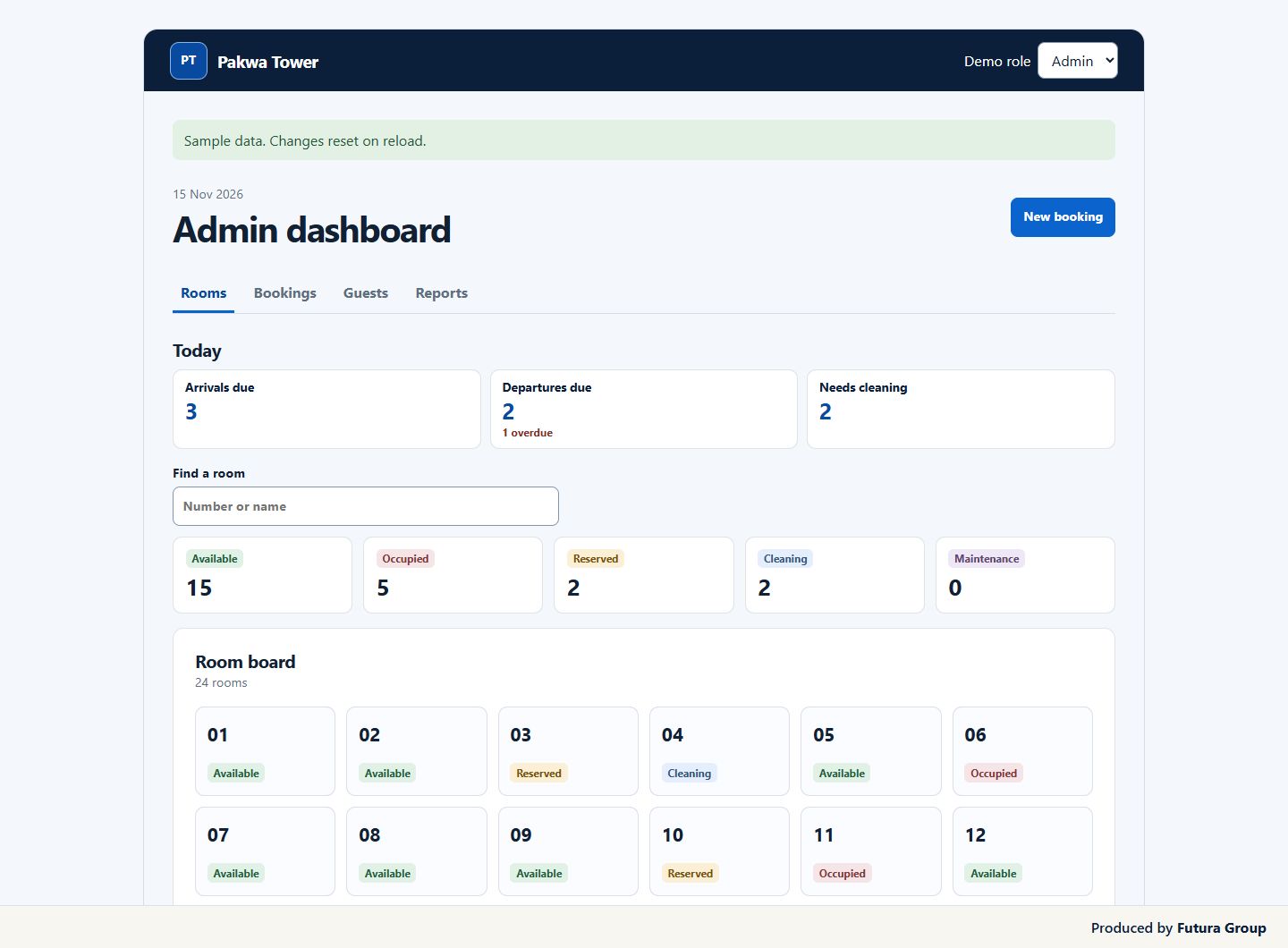
Digital systems can make this easier. Online payment options, maintenance logs, inspection records, document storage, and automated tenant notifications reduce manual follow-up while improving accountability. These tools should support good processes, not cover for weak ones. A portal is useful only if requests are answered, records are current, and responsibilities are clear.
For business owners managing several assets alongside their core company, this systems mindset is especially valuable. The same principle applies across operations: routine work should be organized, visible, and repeatable so leadership can focus on decisions that move the business forward.
4. Decide what to manage yourself
Hiring a manager is not mandatory for every owner. Self-management may work well when the property is nearby, the owner has time, the tenant base is stable, and the property is simple to maintain. Some experienced landlords also prefer direct relationships with tenants and vendors.
The trade-off is capacity. Self-management requires availability, documentation, local knowledge, and the ability to handle uncomfortable conversations professionally. It can become difficult when an owner lives out of state, owns multiple units, travels frequently, or needs to separate personal time from tenant demands.
A hybrid arrangement can work if you only need property management services for two or three specific tasks. An owner may handle strategic decisions and major capital improvements while using outside support for leasing, maintenance coordination, or rent collection. The best setup is the one that matches the owner’s available time, risk tolerance, and portfolio goals.
5. Measure vacancy, rent collection, and response times
Measure the results of your property management services against the targets you agreed on at the start. Fast replies are useful, but they matter because they can reduce vacancy and improve tenant retention. Maintenance coordination matters because it protects the property and prevents larger expenses.
Track occupancy, vacancy duration, on-time rent collection, maintenance response times, repair spending, lease renewals, and unresolved tenant issues. A single month rarely tells the full story. Trends over several months provide a better view of whether the management approach is improving performance or simply keeping the property busy.
For owners seeking dependable long-term property solutions, the right partner brings discipline to the details without losing sight of the commercial objective. A well-managed property gives tenants a better experience, gives owners cleaner information, and gives the asset a stronger chance to produce steady returns over time.
Looking for a long-term rental in Cameroon? Explore Futura Group’s rental portfolio and contact the team to ask which homes are currently available for long-term stays.