
An on-page SEO checklist gives a business a repeatable way to improve rankings, attract qualified visitors and turn more search traffic into enquiries or sales. The strongest pages do more than mention a keyword: they satisfy search intent, communicate expertise and make the next action obvious.
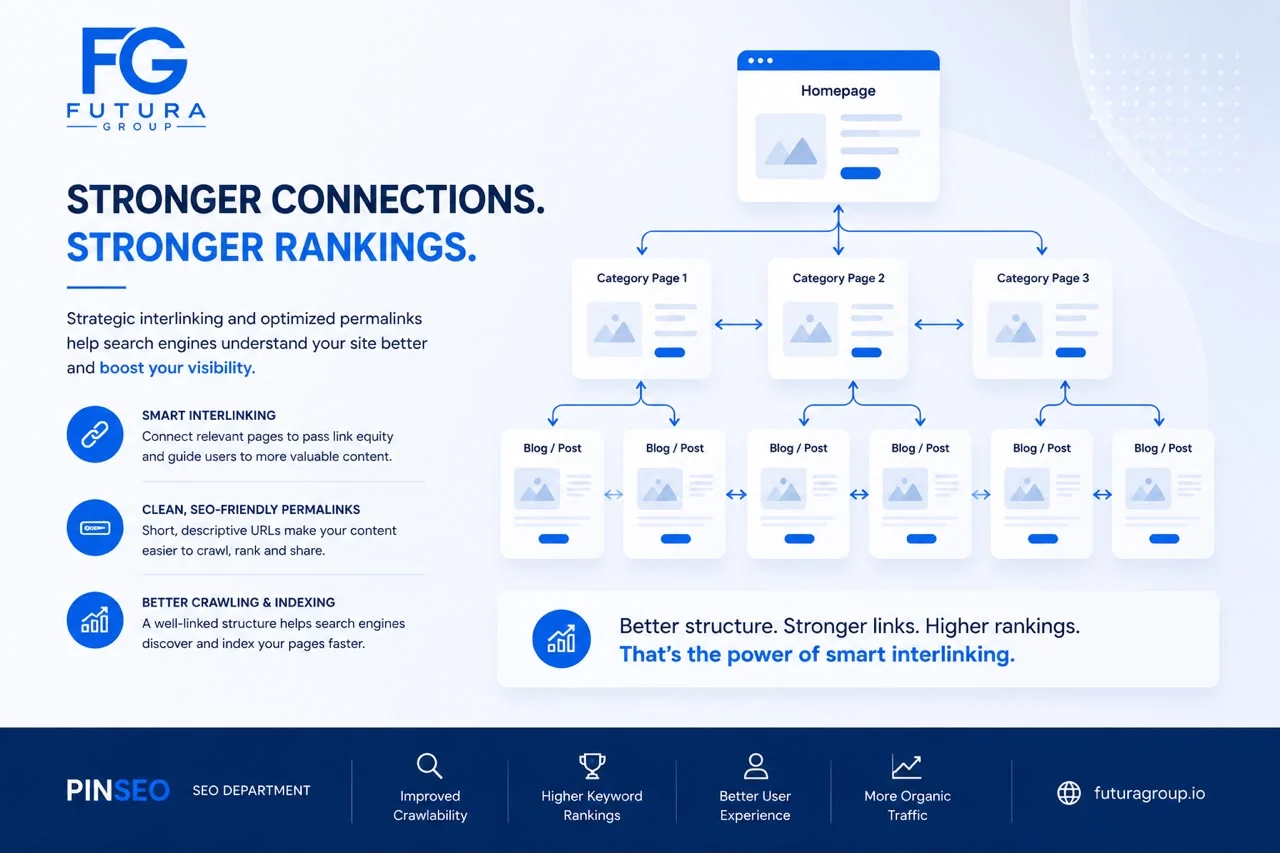
Table of Contents
This practical guide explains the 12 checks that matter most. If you want templates, exercises and a complete workflow, the On-Page SEO Blueprint course provides 27 focused lessons for $59.
Why an on-page SEO checklist improves commercial results
Search visibility is valuable only when the page attracts the right audience. A commercial page should answer the visitor’s question, demonstrate that the business can deliver and guide the reader toward a sensible next step. A structured review prevents important details from being missed when pages are created or updated.
1. Confirm the page’s search intent
Review the results already ranking for the target query. Decide whether searchers expect a service page, product page, comparison, guide or local result. Match the dominant intent while making your offer clearer and more useful. A page designed for the wrong intent can struggle even when its writing is excellent.
2. Choose one primary keyword and useful variations
Select a specific phrase that matches the page and the customer’s buying stage. Add close variations, questions and relevant entities naturally. Avoid forcing every variation into the copy. Businesses that need a repeatable research method can use our Keyword Research for Businesses course.
3. Write a clear SEO title
Place the primary keyword near the beginning. Communicate the benefit and keep the title specific enough to earn the click. Numbers, outcomes and clear qualifiers can help, but accuracy matters more than hype.
4. Create a persuasive meta description
Summarize the page in plain language, include the primary topic and explain what the visitor gains. End with an appropriate action such as learn more, compare options, request a quote or enroll. The description should support the promise made by the title.
5. Use one descriptive H1 and logical headings
The main heading should immediately confirm the page topic. Organize the supporting sections with descriptive H2 and H3 headings. This makes the page easier to scan and helps search systems understand the relationship between ideas.
6. Keep the URL short and meaningful
Use readable words, remove unnecessary dates or parameters and include the main topic when appropriate. Do not change a live URL without a valid reason and a permanent redirect from the old address.
7. Answer the important customer questions
Useful content explains who the offer is for, what problem it solves, how it works, what is included and what the reader should do next. Add original experience, examples and evidence. Clear answers strengthen trust and can also improve visibility in AI-powered search experiences.
8. Add relevant internal links
Link to closely related services, guides and conversion pages using descriptive anchor text. Internal links help visitors continue their journey and show the structure of the website. Explore all four options on the PINSEO Academy course page.
9. Optimize images without slowing the page
Compress large files, use appropriate dimensions and write concise alternative text that describes meaningful images. Decorative images can use empty alternative text. Good image handling supports accessibility and page performance.
10. Check canonical, crawl and index signals
Confirm that the preferred URL is indexable, has the correct canonical tag and is not accidentally blocked. Make sure important pages are linked from the site and included in the XML sitemap. Google’s official crawling and indexing guidance explains how discovery and indexing work.
11. Improve page experience and mobile usability
Test the page on a phone. Review load speed, layout stability, font size, button spacing and navigation. A fast page with a clear call to action creates a better path from search result to conversion.
12. Measure rankings and conversions
Record the page’s target keyword, publish date and business goal. Monitor impressions, clicks, engagement and conversions. Review the page after meaningful data has accumulated, then improve weak sections instead of making random changes.
Quick on-page SEO checklist before publishing
- Primary keyword matches the search intent.
- Title, description, H1 and URL are clear.
- Content answers commercial questions and demonstrates expertise.
- Headings, internal links and images help the reader.
- Canonical, indexability and mobile experience are correct.
- A visible call to action leads to the next step.
- Measurement is configured for rankings and conversions.
Turn this on-page SEO checklist into a repeatable workflow
Reading a checklist is useful; applying it consistently is what produces results. The On-Page SEO Blueprint includes practical lessons, exercises, checklists and a final action plan for business owners, marketers and content teams.
Ready to build pages that rank and convert? View the course and enroll for $59.